Tag Archives: Pennsylvania

Botany by Boat: North Branch Susquehanna River

Seeing certain plants in the wild for the first time sticks with me. I learned plants from my jobs working in garden centers in high school and college (does anyone remember Frank’s Nursery and Crafts? This is, incidentally, the first place I ever got high – they had me, freshman college student, glueing PVC pipe together for a greenhouse irrigation system inside the greenhouse for hours, you know that purple primer and the glue, after my shift I had to sit in my car for a while breathing in clean air before I felt like I could drive – that’s what all the fuss is about – getting high? I was not impressed or interested in feeling like that again …anyway back to plants!)

Just as I remember very clearly that glue incident, I remember distinctly where I saw some of my first familiar plants in the wild. My nascent plant education was not through finding plants in the wild and learning what they are, but through working in retail garden centers, answering customers’ questions and unloading, organizing, staging, arranging, watering and maintaining plants in nursery yards. Then I learned my plants in college using our botanical garden campus as a classroom. My early plants were containerized and immature or in an artificial garden setting. Sure I knew some plants from my pine barrens childhood – oaks, pines, blueberries, black walnut, sassafras, sweet fern and bracken fern but the plants I learned as I started my education and career were mostly, in my mind, commodity sized and situated.

As I started exploring more and more, and botanizing became a hobby obsession, I began encountering those plants I used to load into the trunks of Subarus and the beds of pick-up trucks as mature specimens in the wild.

This was magical to me and so educational. Here I could see where they really want to grow, versus where I may or may not have told a customer where they would like to grow. I could see their neighbors, who they want to grow with, what types of plants thrive in similar conditions of soil type, soil moisture, sunlight and exposure.

I distinctly remember the excitement of finding my first, and only to date, wild Oakleaf Hydrangea in a Mississippi forest. My first Sweetspire growing along a tea-colored creek in my beloved Pine Barrens. My first wild Alumroot dripping off a soggy wall in a Pennsylvania preserve. These memories are indelible. (If I meet you and we have met before and it seems I cannot remember your name, please note what my limited memory storage space is filled with) Prior to these encounters, I had only known these plants as inventory.

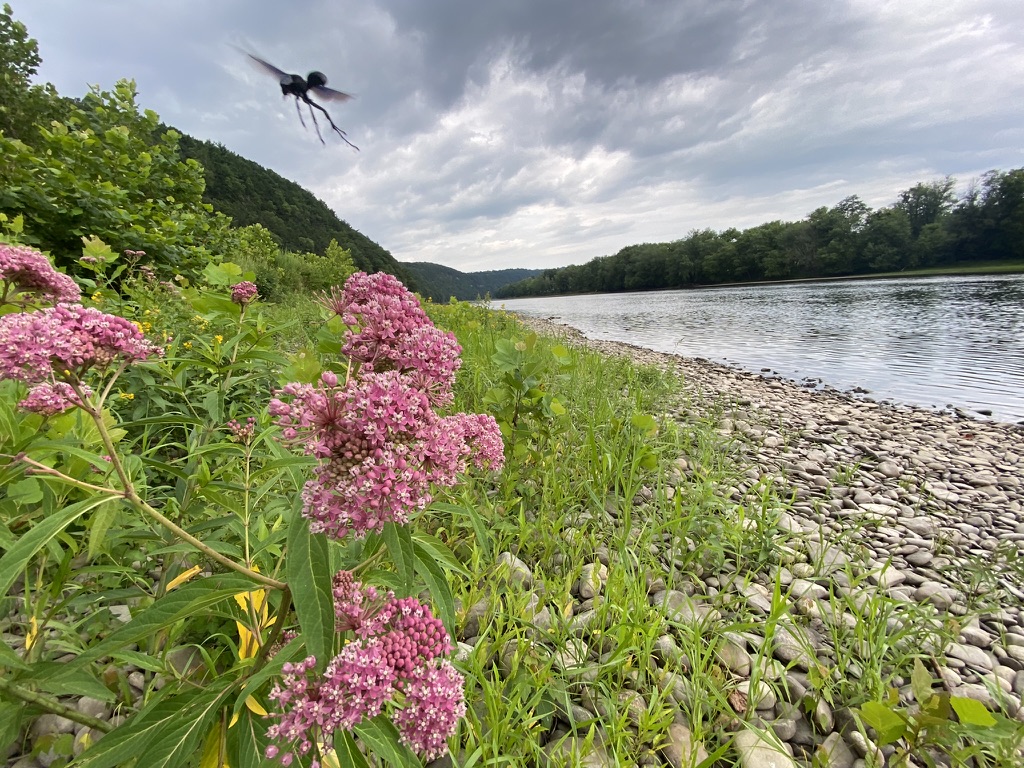
This trip on the Susquehanna added another memory to the list.

Continue reading Botany by Boat: North Branch Susquehanna River

Change Along the Perkiomen Trail

The past lives on in art and memory, but it is not static: it shifts and changes as the present throws its shadow backwards. The landscape also changes, but far more slowly; it is a living link between what we were and what we have become. This is one of the reasons why we feel such a profound and apparently disproportionate anguish when a loved landscape is altered out of recognition; we lose not only a place, but ourselves, a continuity between the shifting phases of our life. 

~ Margaret Drabble A Writer’s Britain: Landscape in Literature

IMG_9553

The Perkiomen Trail is close to home and a regular haunt for me. The 20-mile trail is a place of recreation, exhilaration, peace, reflection, solace, and education. In the 9 years I have walked and biked the trail it has changed. It changes seasonally, trading carpets of spring ephemerals for the russet and burgundy of fallen leaves in Autumn. But I have not witnessed anything so drastic as the change I saw upon returning to my favorite local outdoor place in early June this year.

While away visiting the big trees of northern California at home destruction was being wrought by straight-line winds gusting up to 110 miles per hour.  The storm also came with flash flooding of the Perkiomen Creek and the many other smaller tributaries coursing through the region. Luckily, my woodland home was spared damage from downed trees, but the same cannot be said for many in the area. Homes along the Perkiomen Creek were particularly hard hit by both flooding and the strong winds toppling trees. Unlike Ms. Drabble’s statement above – in this case the landscape changed drastically and quickly.

Continue reading Change Along the Perkiomen Trail

The Tyler Formal Gardens

88f6cb28-33a4-4636-a88d-293ef76bbc1d

The Tyler Formal Gardens are the public gardens of Bucks County Community College in Newtown, PA.

Tyler Mansion BCCC
The Tyler Mansion depicted in the logo above.

Like the Henry Schmieder Arboretum, these gardens are open and free to the public to explore year-round. Unlike the gardens at Del Val, these gardens began as the gardens of a residence , that was later turned into Bucks County Community College and public garden space.

Tyler Mansion BCCC
Another view of the Tyler Mansion

This formal garden features multiple levels or formal displays and the art work of Stella Tyler, the owner of the home and an avid gardener herself.

Tyler formal garden BCCC
The tiers of the Tyler Formal Garden

Though I went to school not far from here and worked in the area for a couple of years, I had not been to this garden  before.

Continue reading The Tyler Formal Gardens

Henry Schmieder Arboretum in Spring

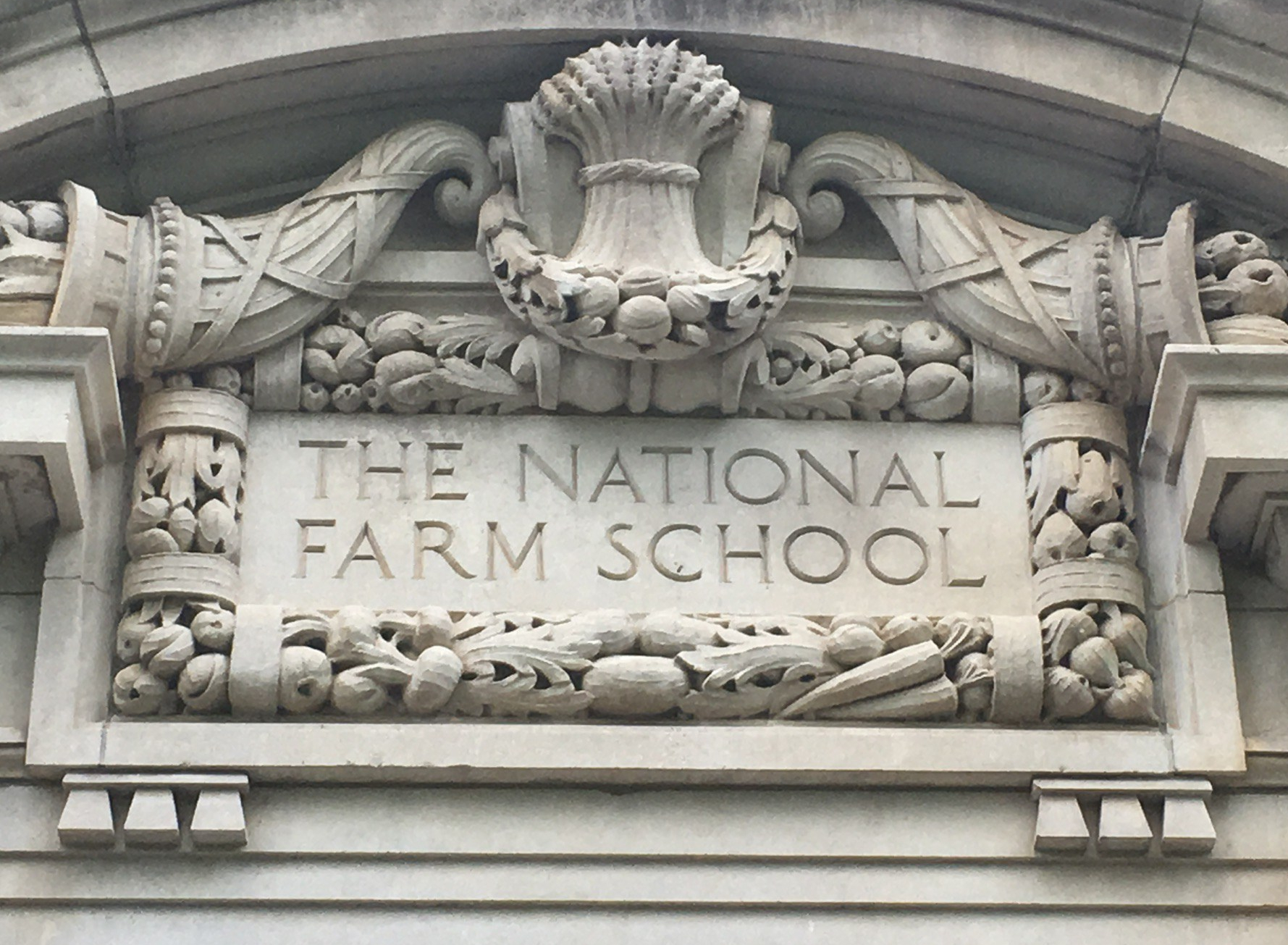
National Farm School
What is now Delaware Valley University began as the National Farm School in 1896.

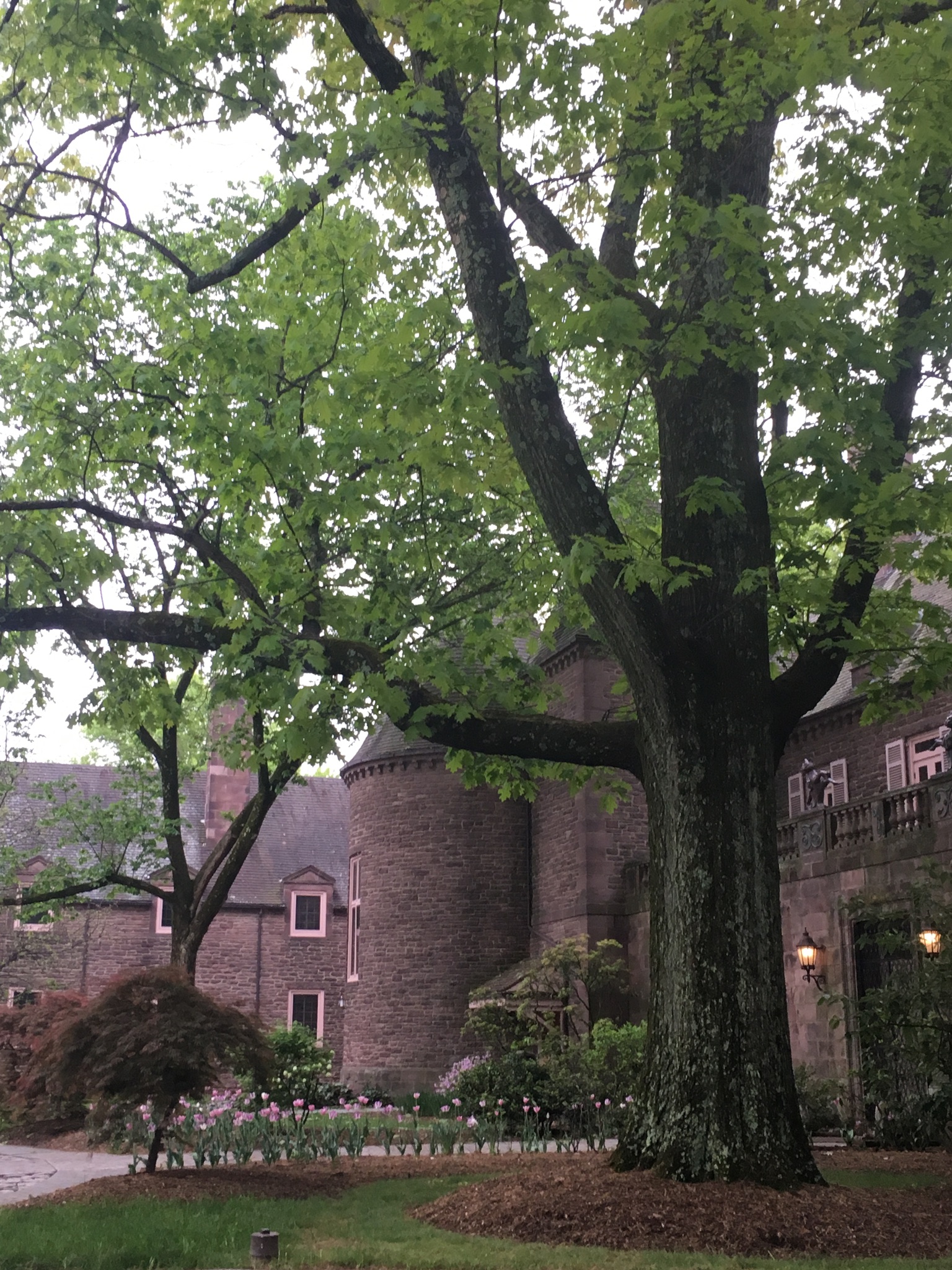
Forty acres of the main campus of Delaware Valley College (ahem… I mean UNIVERSITY, old habits, I am an alum) comprise the Henry Schmieder Arboretum.  As are many college and university arboreta and botanical gardens, this is open for exploration throughout the year and free of charge and serves dual purpose as public garden and living classroom.

Delaware Valley University
The Entrance to Delaware Valley University

One of the 36 garden members of Greater Philadelphia Gardens, the gardens are a mix of landscapes around historic and new campus buildings and specific garden spaces around the grounds.  As you wander through campus you will find a Peony and Iris Garden. It seems we had perfect timing to see irises and tree peonies in bloom on our May 12 stroll.  You will also find here a Winter Walk, Annuals Garden, the Oak Woods, the Martin Brooks Conifer Garden, an Herb Garden, Beech Collection and a Rock Garden.

Peony Del Val
A Tree Peony blooms in the Iris and Peony Garden

While named for a 40-year faculty member from the early 1920’s in 1966, the Arboretum was an important part of the campus from its inception 70 years prior.  As a student earning my BS in Ornamental Horticulture I valued the opportunity to learn about the plants by feeling them, smelling them and observing them in many seasons.

Continue reading Henry Schmieder Arboretum in Spring