
THE TRIP
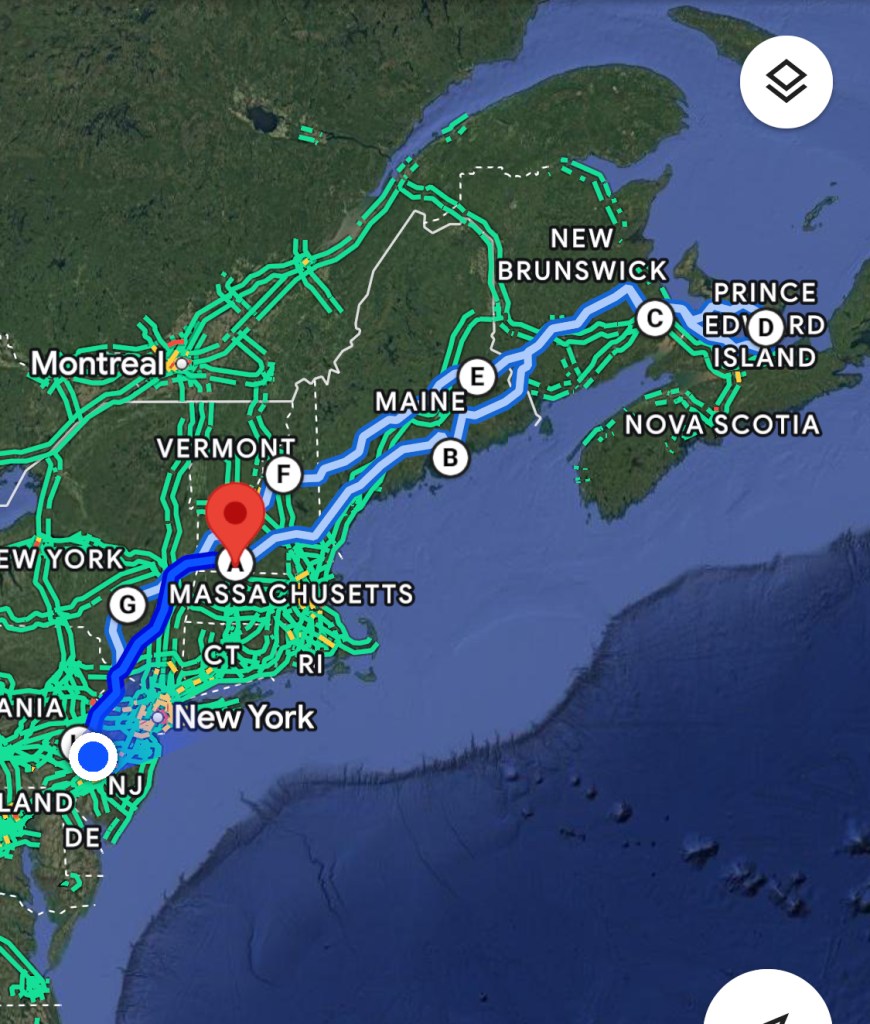
2586 miles in 9 days from Pennsylvania to Prince Edward Island on motorcycles.
No Highways. One toll to leave PEI. Backroads and local spots the entire way. Home-sweet-home while away was a mix of camping, park cabins and old-school motels.
300+ miles and 8+ hours a day on the bikes did not leave much time for exploring along the way. Here are the plants I found on this journey mostly at our overnight stops, discovered during early morning or sunset walks with a hot cup of tea or a local beer, getting some time in to explore, stretch the legs and find all the new-to-me plants and familiar plants in new places I could find before getting back on the seat for another full day’s ride.
THE INSPIRATION
The inspiration for this trip was to see Prince Edward Island and the town of Cavendish, the town the inspired Avonlea, the setting of Anne of Green Gables by LM Montgomery. Due to the nature of long distance travel and limited time frame for this trip I had zero plant-based goals for this trip – no garden visits or hikes planned. My adventure buddy Meghan and I grew up reading and watching and inspired by Anne of Green Gables. 9 year-old me was obsessed with the 1985 pbs series and did not miss an episode. These stories stuck with us into adulthood. The setting of the stories was a bucolic farmstead on Prince Edward Island, based on the town of Cavendish and we decided to make a pilgrimage to see it.
This is a post of the plants I saw along the way.
ON THE WAY UP

Long stretches of riding time, just taking in the scenery were dotted with time to stretch the legs. Those stretches may have been at a gas stop or a roadside scenic view pull-off. Here staghorn sumac (Rhus typhina) frame the cables of the Penobscot Narrows Bridge and Observatory. This marvel features late summer maroon fruits that feed a number of residential and migrating songbirds starting to fuel up for their winter journeys. (Did you think I was going to tell you about the bridge?) It is a plant of roadsides and rights-of-way, railroad embankments and fallow fields. It is a pioneer species, emerging in disturbed places to send out a network of roots, forming a colony bringing the land whole again.
The bridge is an engineering marvel itself and includes an observatory you can enter through historic Fort Knox. This has been noted as a place to go back and visit when Maine is the destination.

We also found the 45th parallel on the way up. This point marks the half way point between the north pole and the equator. There’s a little pull off in Perry Maine along Route 1 at this unassuming marker. Behind it is a pretty incredible plant community with a groundcover of lowbush blueberries (Vaccinium angustifolium), bunchberry (Cornus candensis) and lingonberry (Vaccinium vitis-idaea).
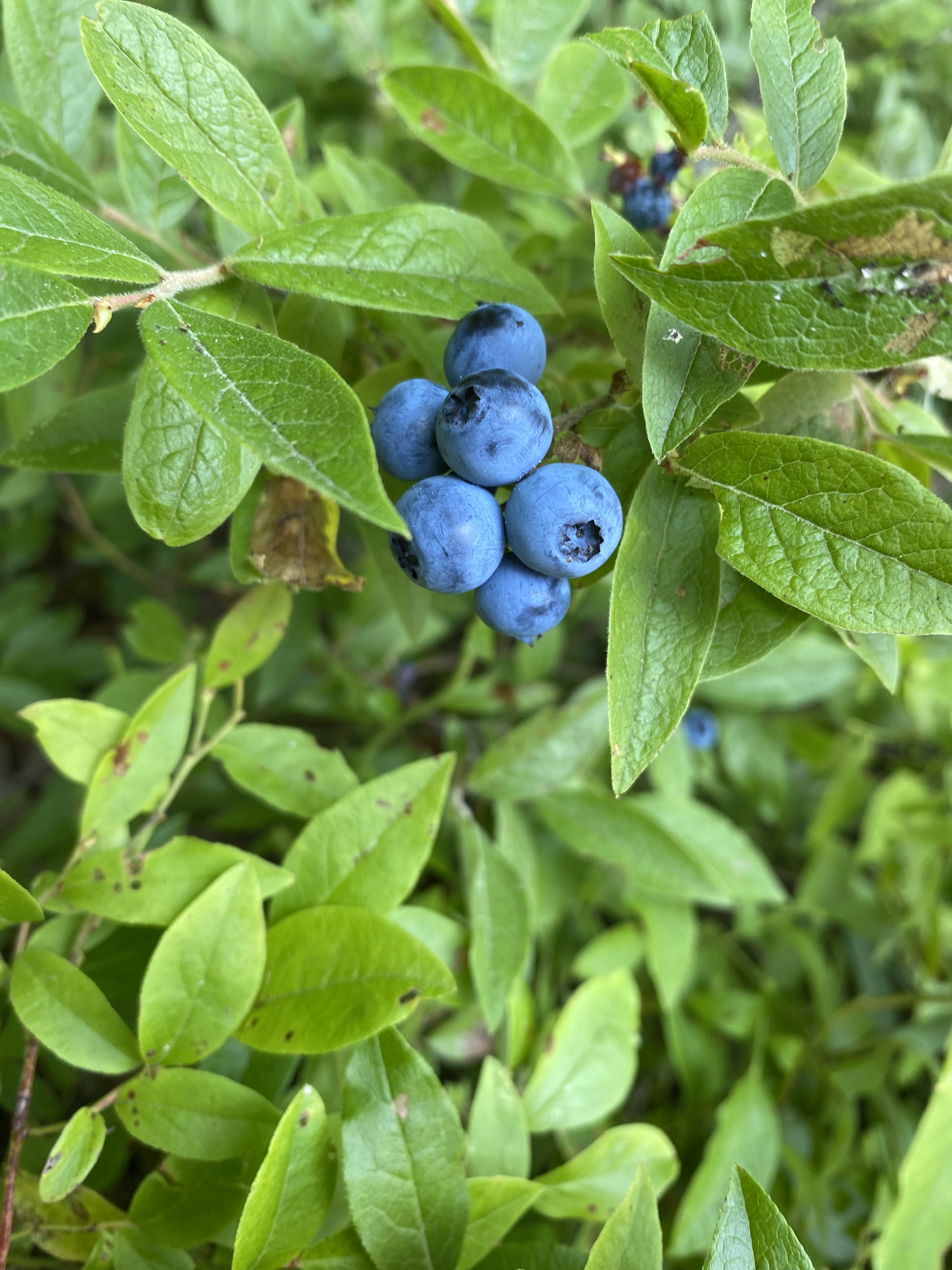

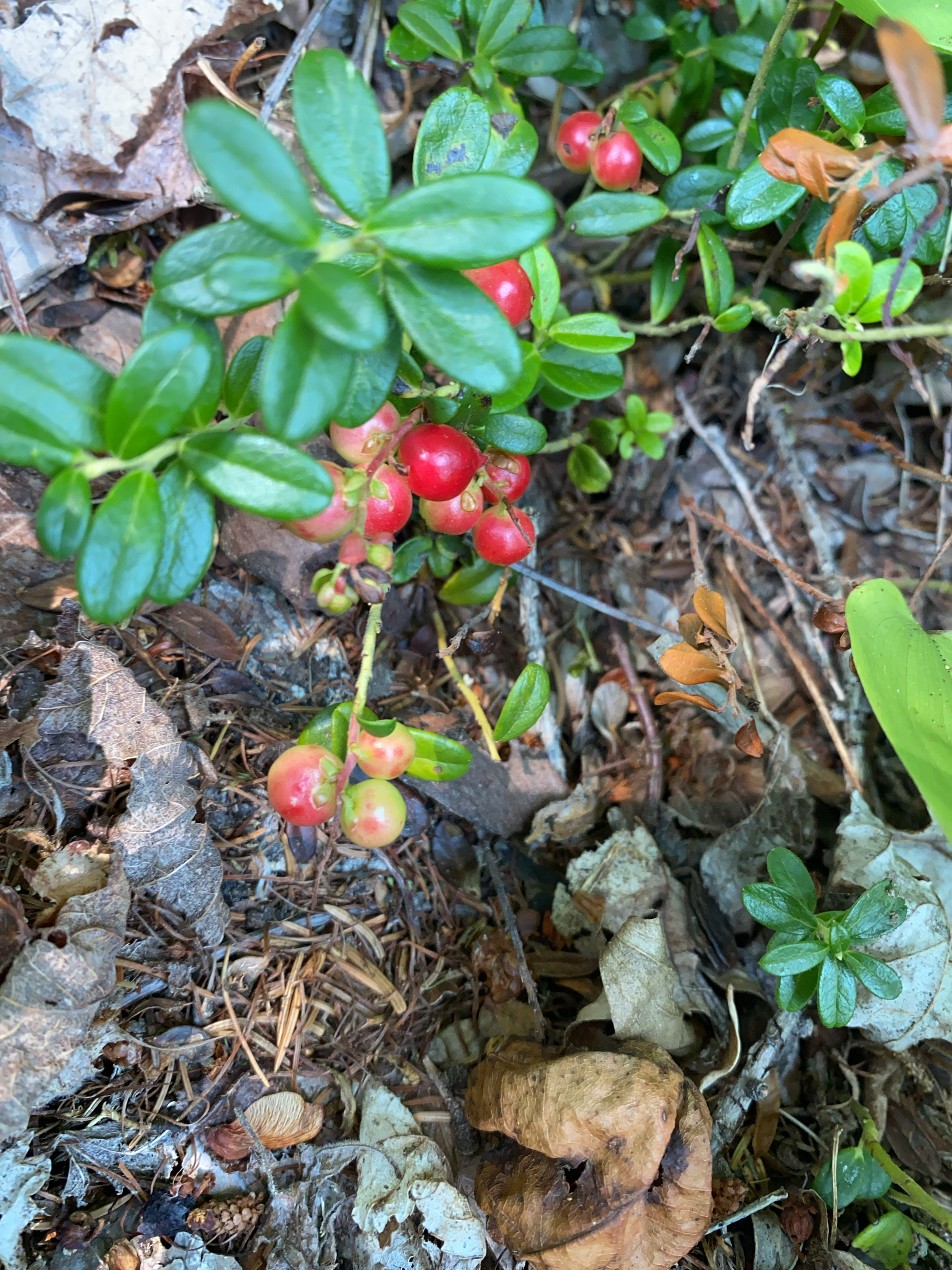
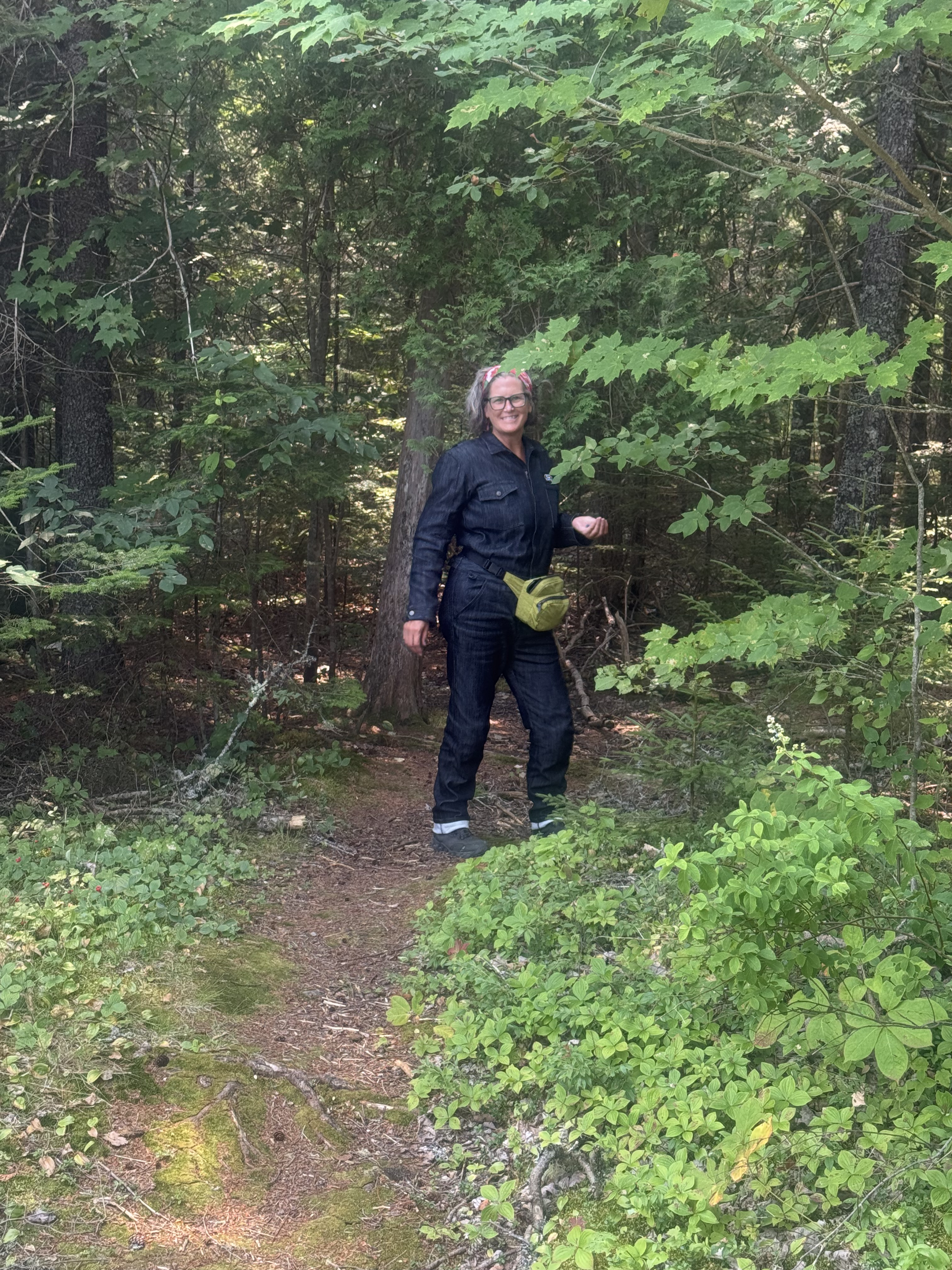
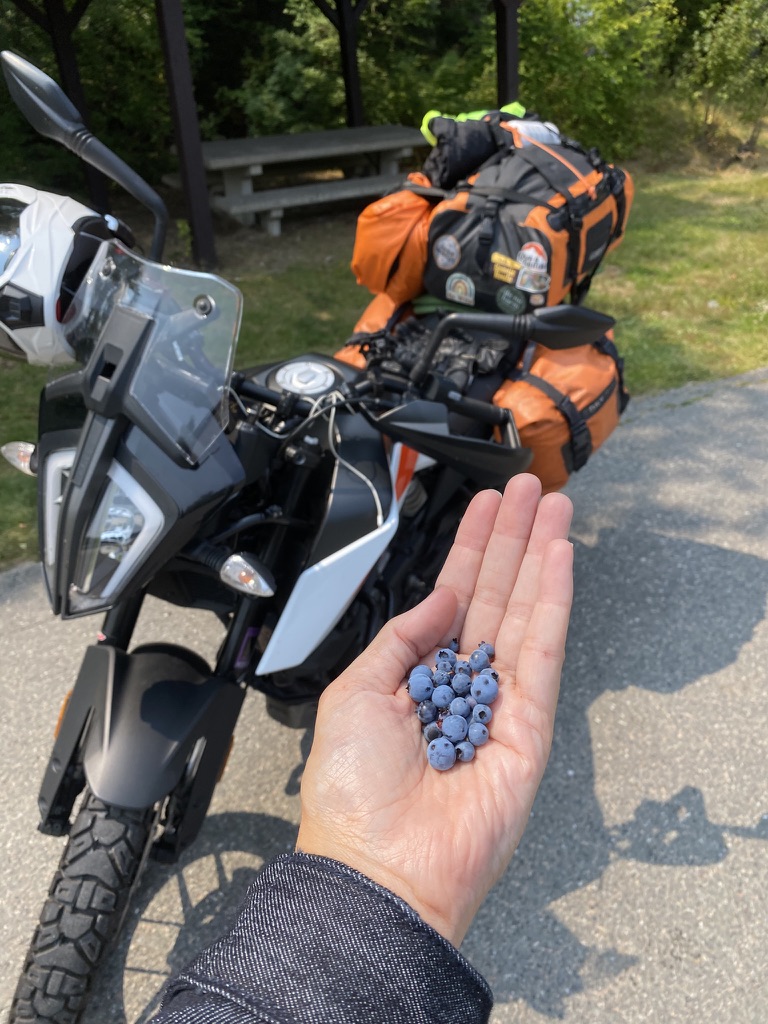
Lingonberry was a new one for me. I honestly had only heard of them from Ikea and their lingonberry jam. I assumed they were Scandinavian plants and never guessed I could find them here. I did not know enough about them to know when they are ripe to pick and eat, so I did not try them, but am excited to know them, learn more about them and try them again when I find them.
Also called the northern mountain cranberry, this cousin of the blueberry and cranberry is native to forests, rocky ledges and even bogs throughout Canada, the northeast and upper midwest of the United States. An evergreen groundcover, the deep red fruits are very astringent often staying on the plant through some freeze cycles making the fruit sweeter to eat.
Brooklin, ME – The Eggemoggin Reach
We camped for an evening right on the shores of the salty Eggemoggin Reach. This is a series of inside passages joining the Penobscot Bay with Jehrico Bay. What impressed me here was the thickets along the shore. Thickets are often underused and under-appreciated. They can look messy, disorganized or even unsafe because the thickets are seemingly impenetrable. Thickets offer food and cover to smaller animals as well as stabilizing shore banks with a resilient diversity of plants and roots. Here the thickets were filled with an interesting mix of conifers, deciduous trees, shrubs and herbaceous plants. Also found some seaweed along the shore.

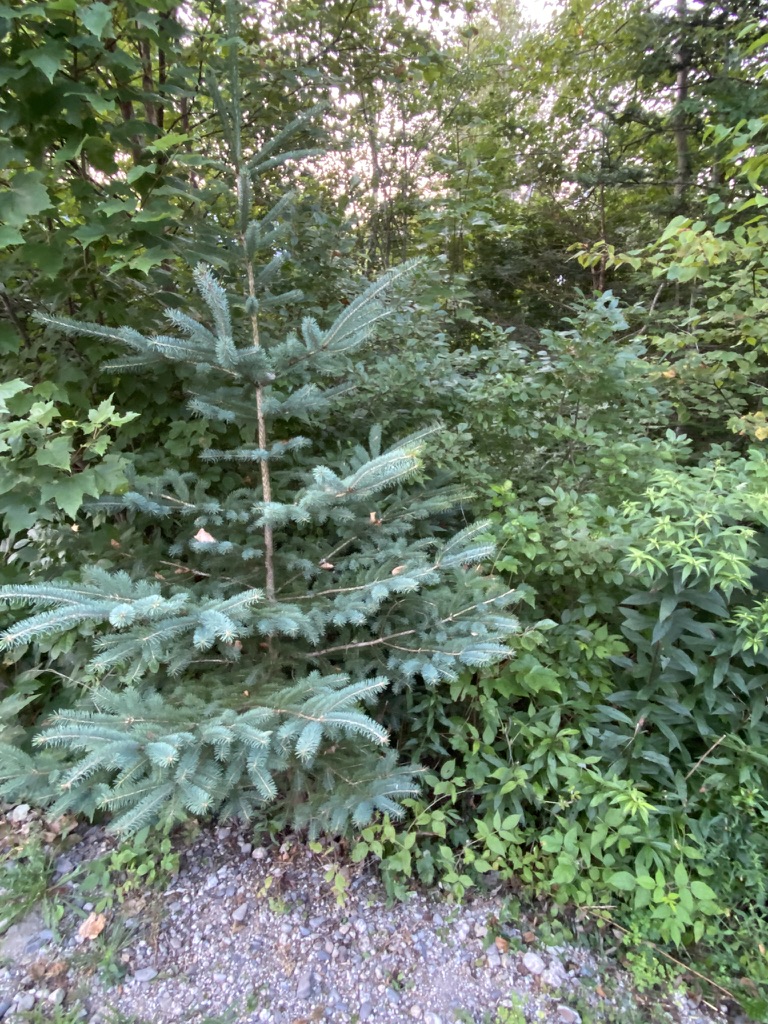
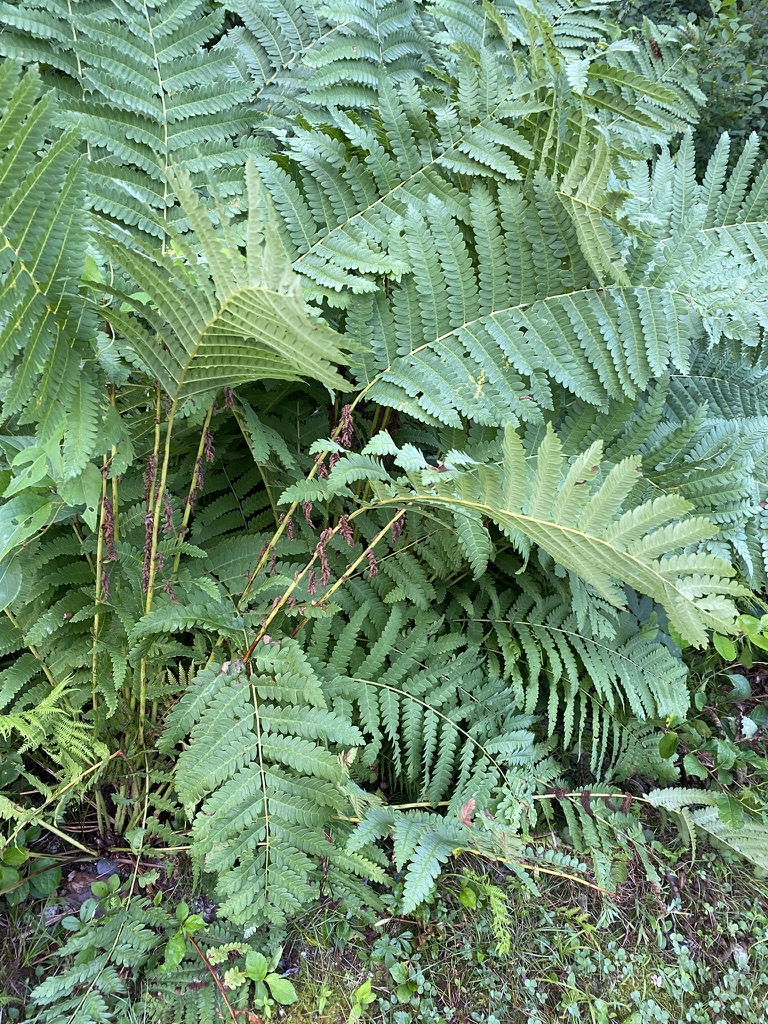
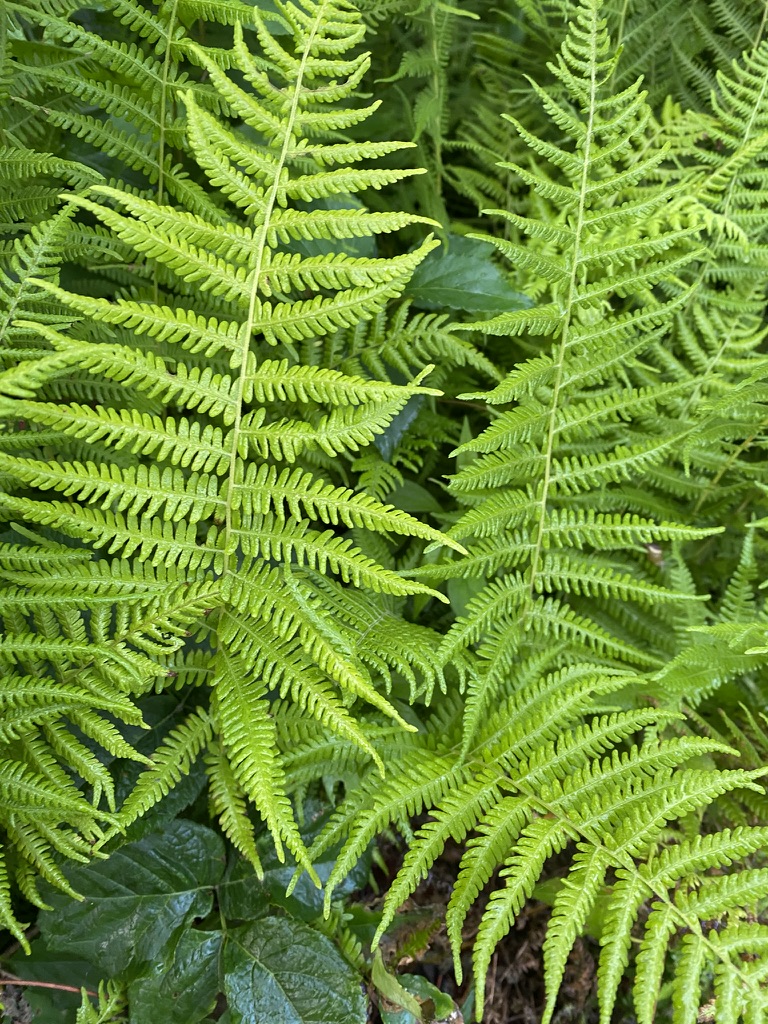
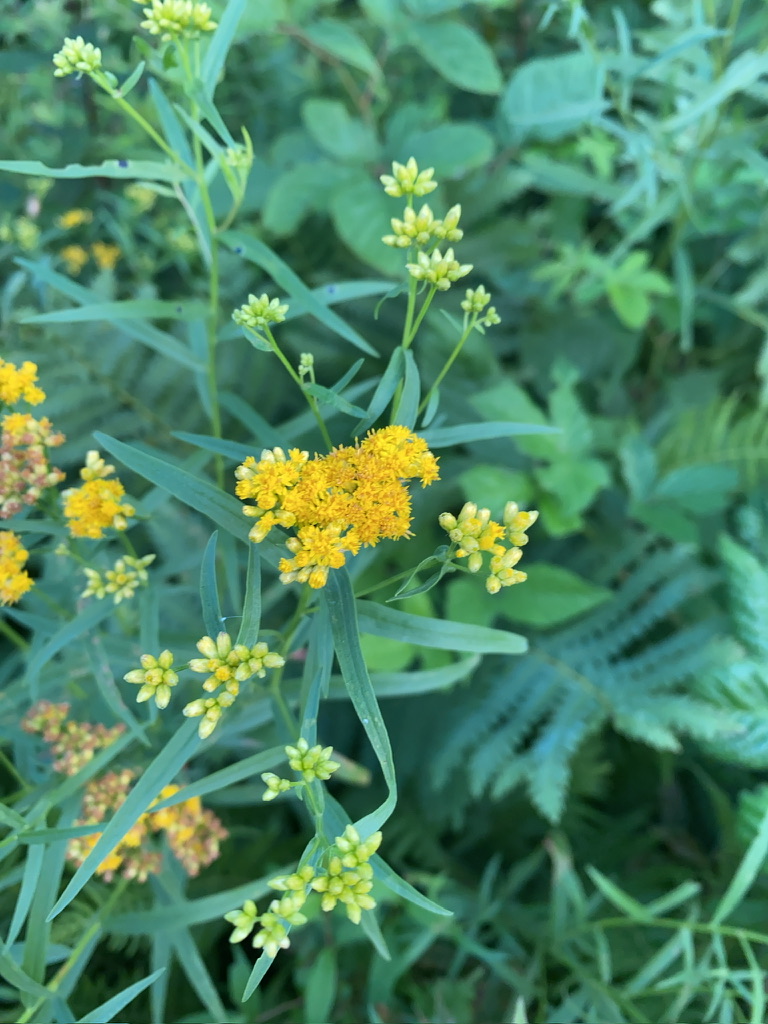


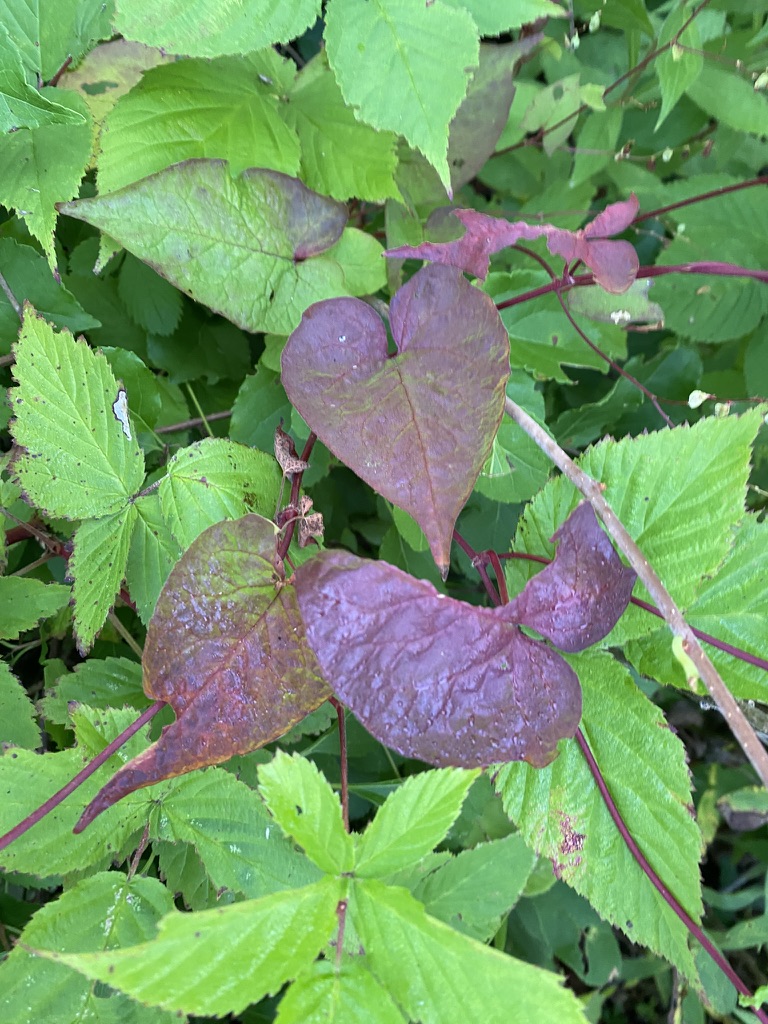

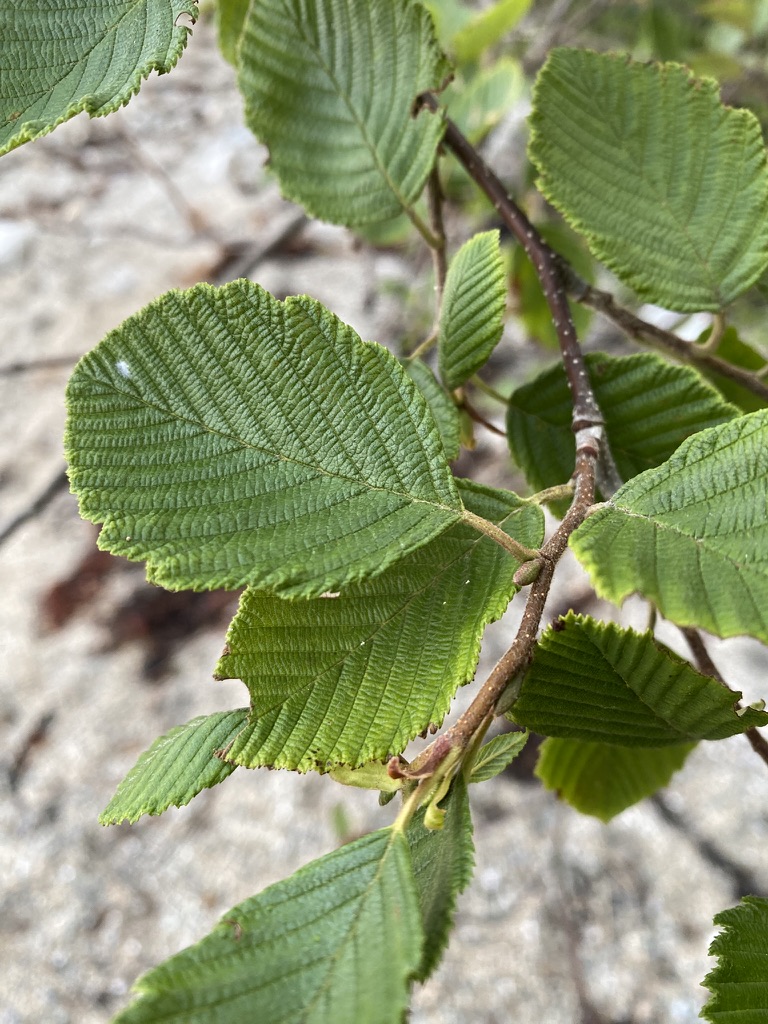


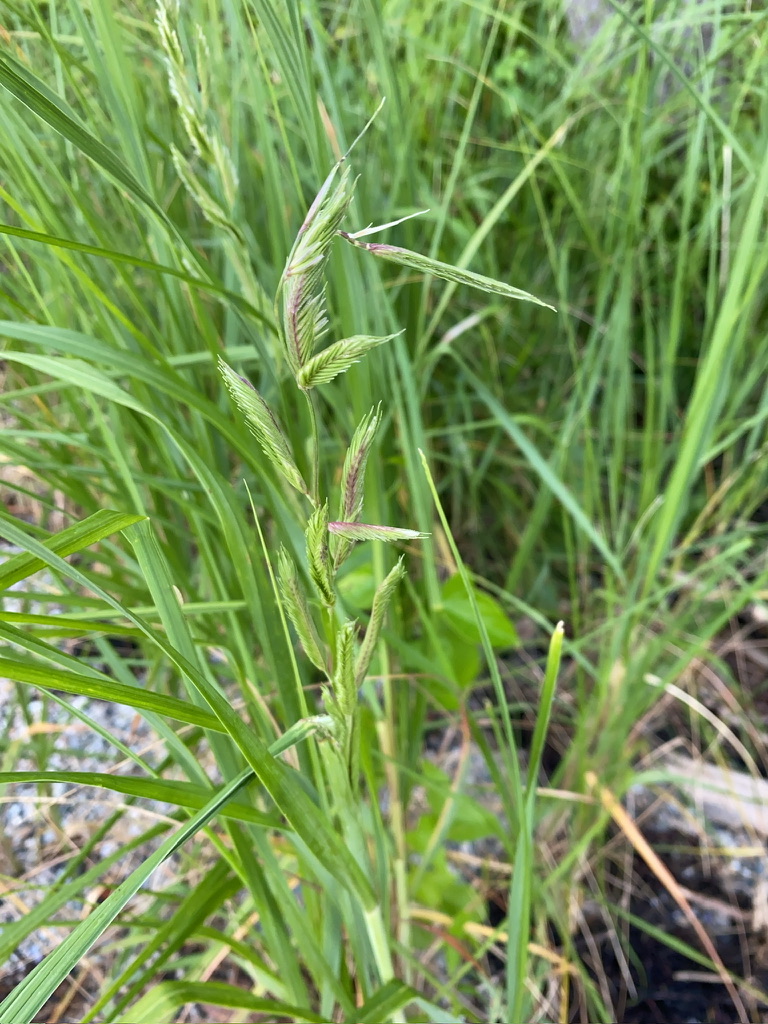


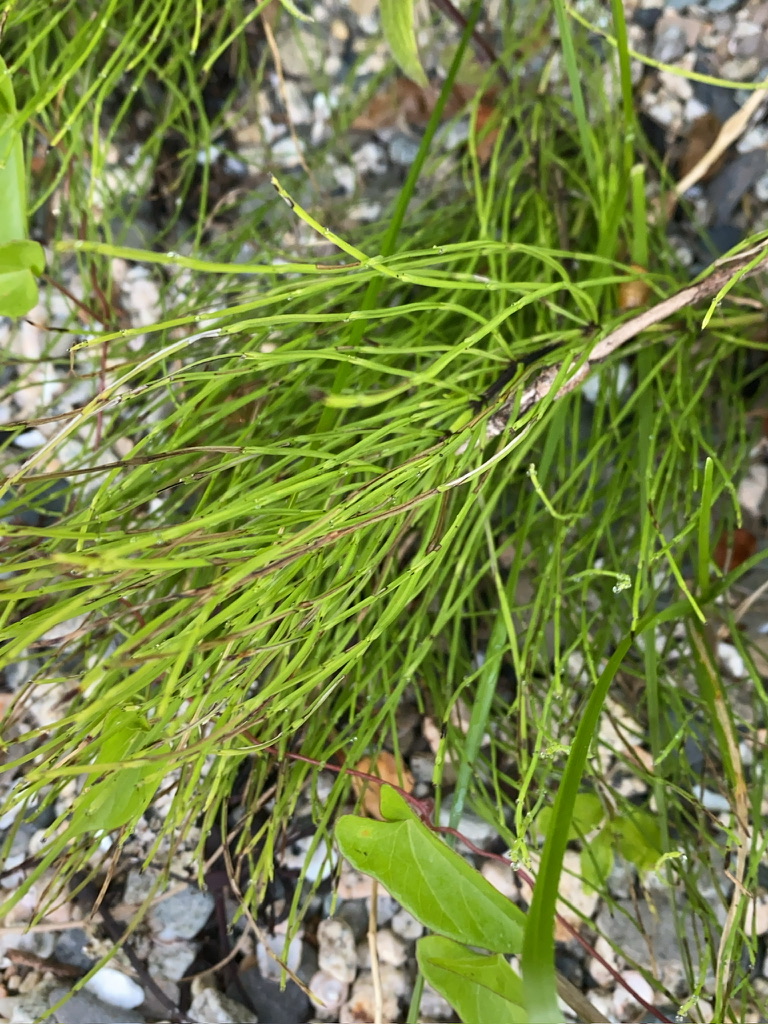


While researching this post I cam across this 1908 publication by the New England Botanical Club listing the woody plants found in August in Brooklin, ME.
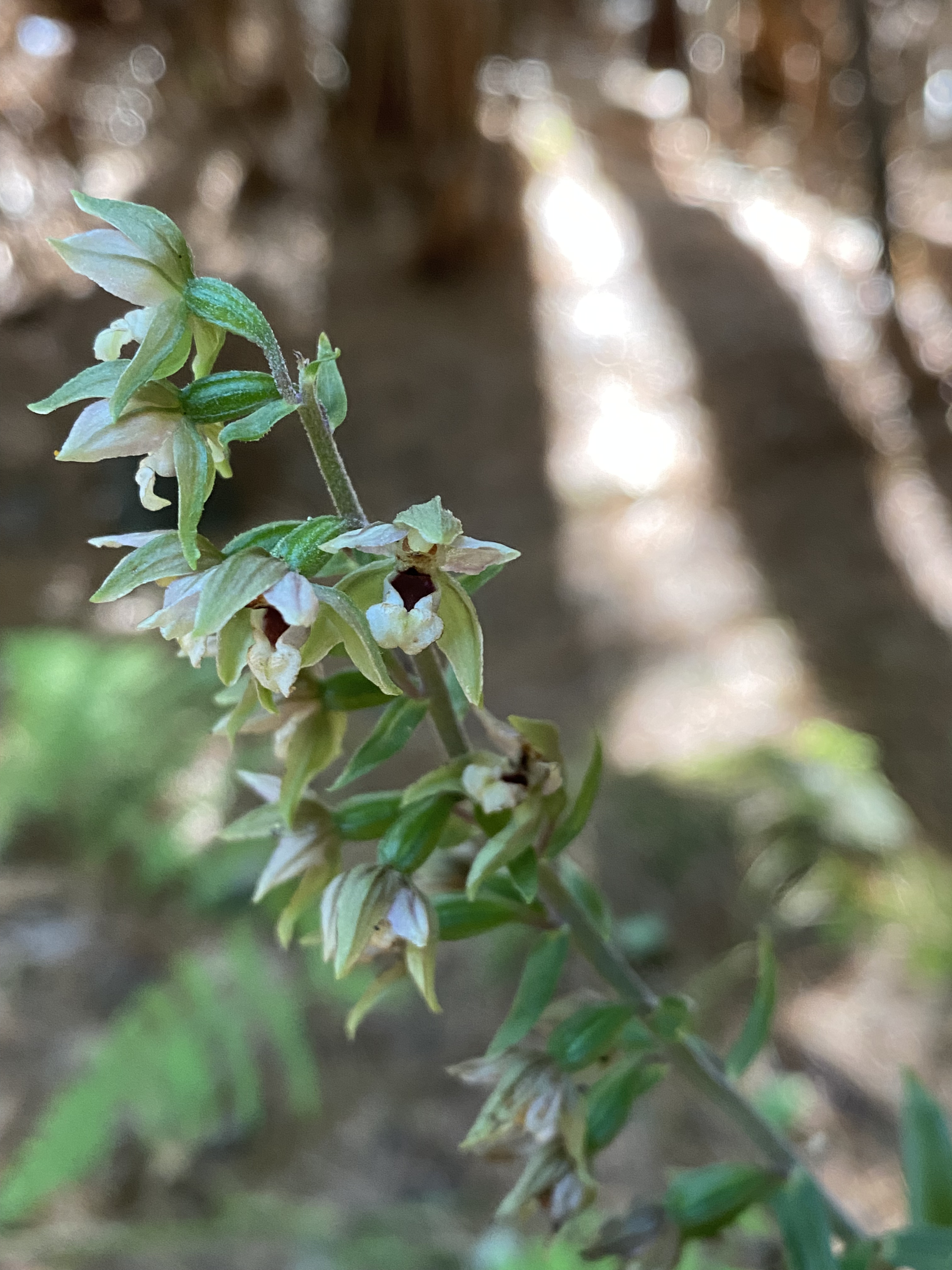
Of particular enchantment to me were the Swamp Candles, Lysimachia terrestris. Incredibly showy but buried down at the bottom of the thicket and I would not have expected them to be along this shoreline. The native fringed bindweed was also new to me, it’s brilliant fall color already starting to show. Bindweed is a four-letter word in my gardening world, a noxious weed nearly impossible to get rid of. The two are of different families, this native one (Fallopia cilinodis) is of the buckwheat family and the noxious weed (Field Bindweed, Convolvulus arvensis) related to morning glories.
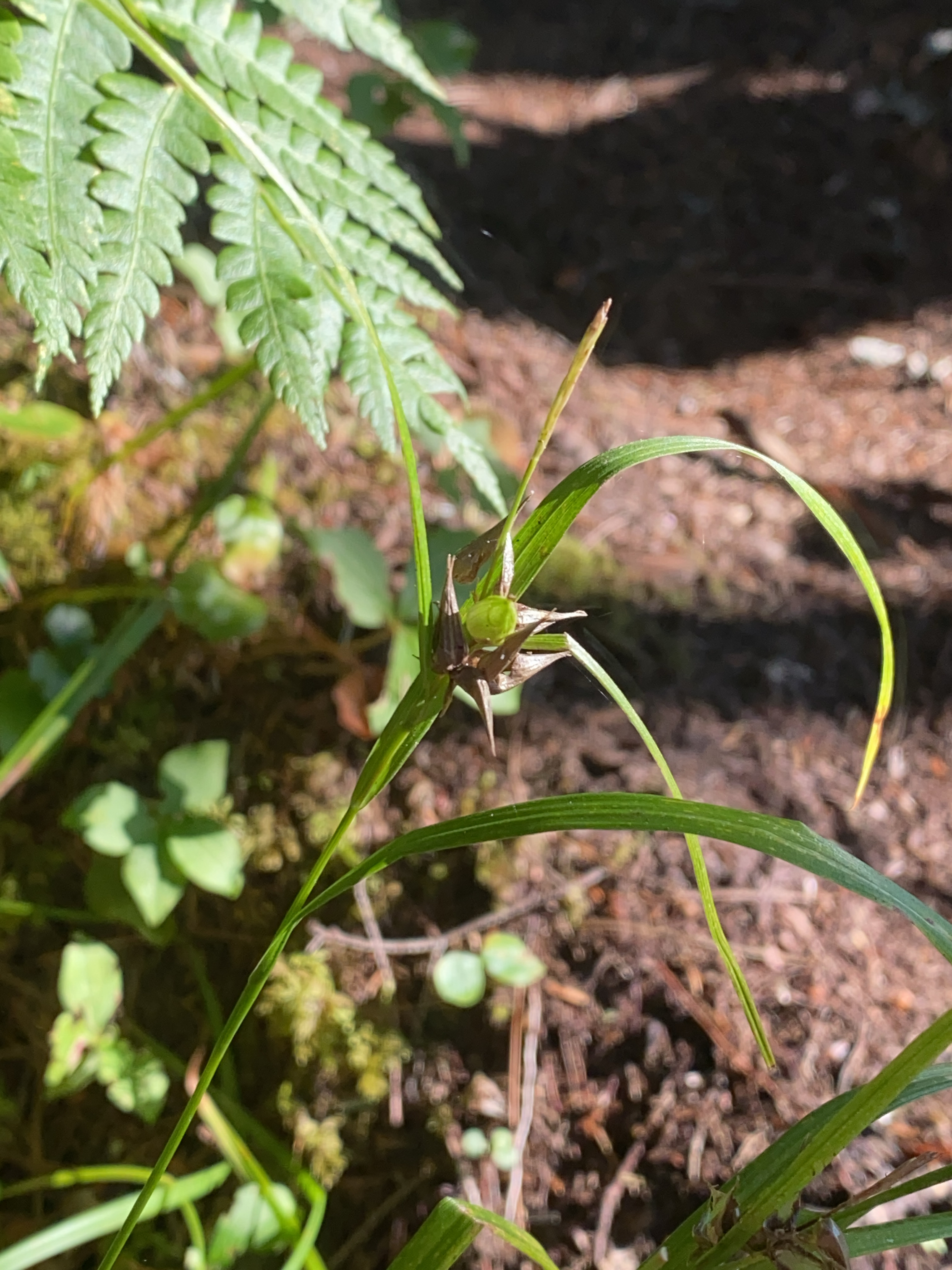
This cute little sedge also caught my eye. Pointed Broom Sedge, Carex scoparia, has these great ornamental fruits. In looking into this plant for this post, I found this explanation of some taxonomical questions about this plant including a subspecies, Carex scoparia var. tessellata, which I think this may be. Only found in eastern Maine and distinguished, in part by darker coloration of the fruits, I would have to go back and take a closer look – looks like another road trip up north is in order.
Just by looking at the photo gallery you can get a feeling for the value of the thicket in this area, there are fruits ready to eat, flowers of different shapes and colors in bloom and different plant habits from trees to shrubs, to herbaceous plants to vines.
Bay of Fundy – Flower Pot Rocks
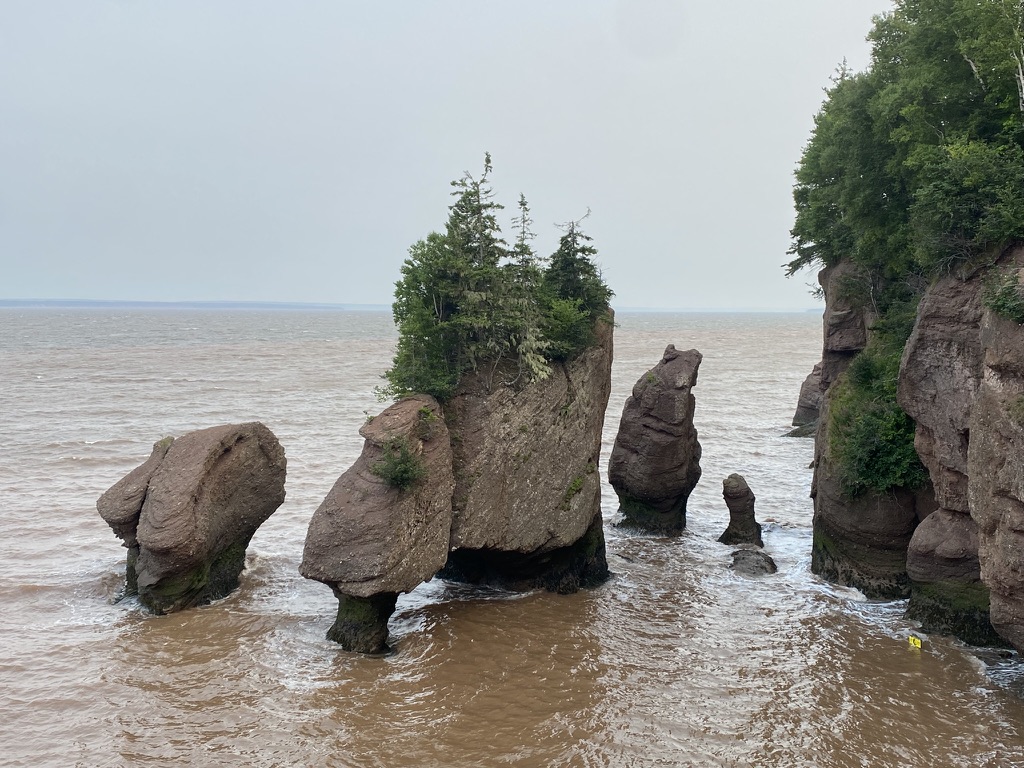
On our way up to Prince Edward Island we rode through New Brunswick. The highlight of the trip was the 30 km scenic road through the Fundy Trail Provincial Park and a stop at Hopewell Rocks Provincial Park.
They are called flowerpot rocks because the plants growing out of the top and the red colored sandstone “sea stacks” resemble a flower pot with plants. As the highest tide in the world ebbs and flows it erodes the base of these rock formations. It is quite a site to see. Of course I wondered just who is growing on the top. I could not get a good look, but as you traversed the scenic drive you could get a feel for the plant community along the bay. It is safe to say that the plants atop these formations are pieces of that plant community. According to the plants of Fundy National Park site, the plant community is known as the Acadian Forest and is made up of “red spruce, balsam fir, yellow birch, white birch and maples.”
Confederation Bridge
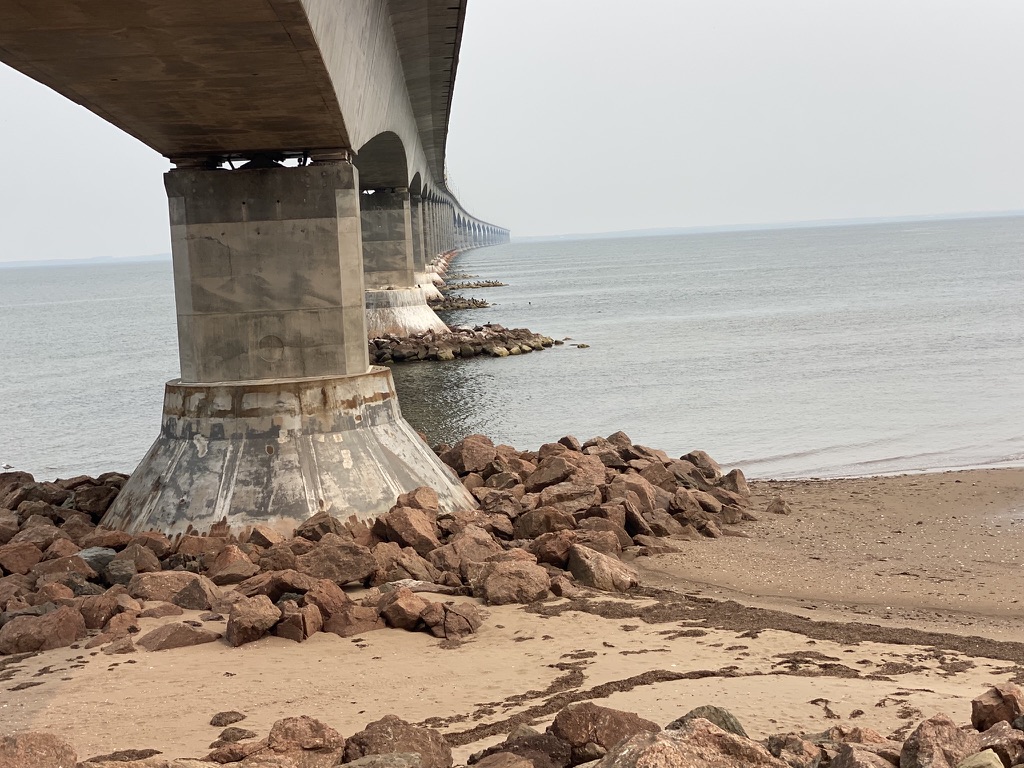
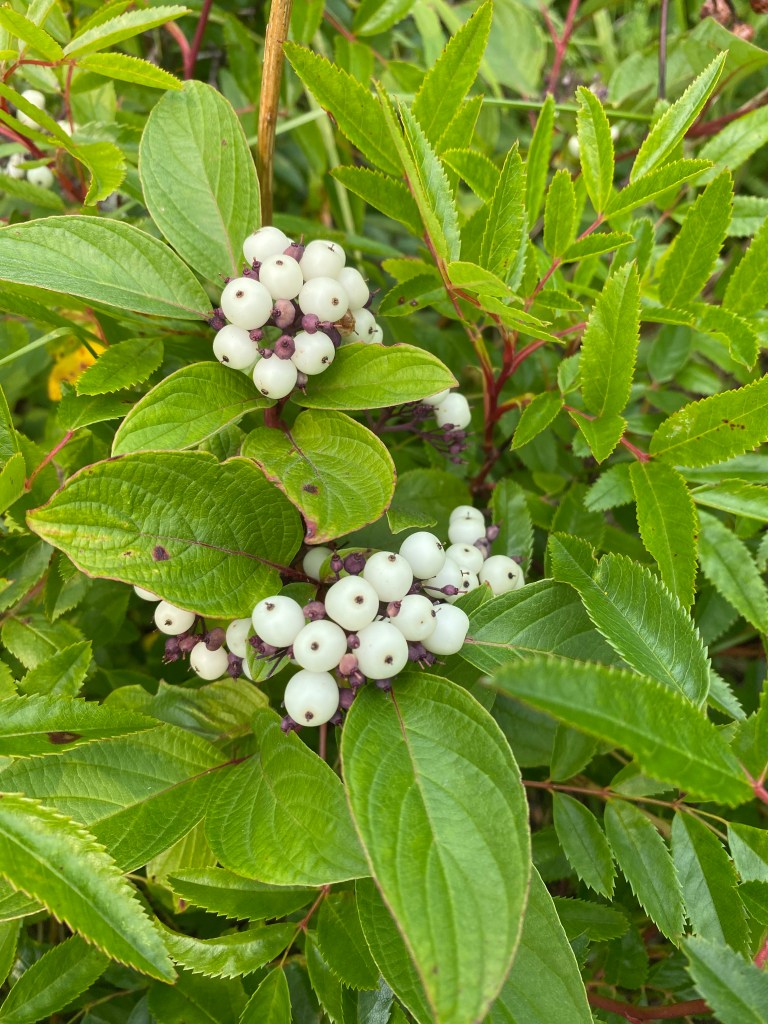
This 8-mile long bridge connecting New Brunswick to PEI is the world’s longest bridge over ice-covered water. We stopped here for a quick leg stretch and to learn more about the bridge, but the swarms of mosquitos got us back in our gear and back on the road pretty quickly. Here along the Abegweit Passage of the Northumberland Strait I did find the beautiful white fruits of Red-Osier Dogwood, Cornus sericea.

PRINCE EDWARD ISLAND

We stayed at the Northumberland Provincial Park in Prince Edward Island. This park is right on the Northumberland Strait.
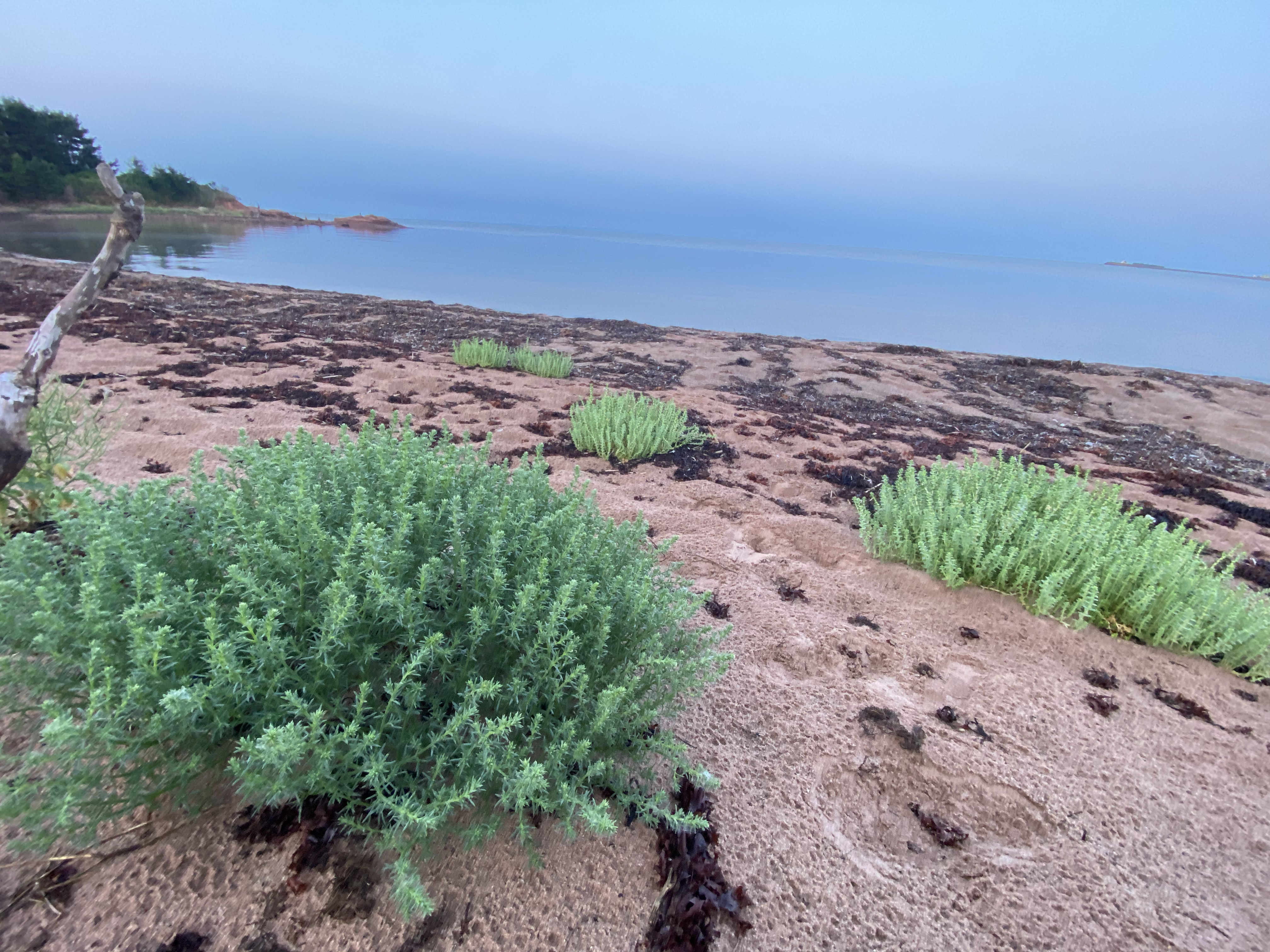

The sand at these southern beaches tends to be red due to high amounts of iron oxide in the sand. Where the waves are more rough and the sand gets washed a bit more on the northern part of the island the beaches have white sand, but along the southern border where it is more calm, the sand is red. Here you see the red sand beach at Northumberland Park and the white sand beach at the Covehead Harbour Lighthouse in Prince Edward Island National Park on the northern shore of the island.
Here I was able to investigate some shore plants. I was drawn to them by their blue-green coloration and similar habits. They were different but all rounded and compact.


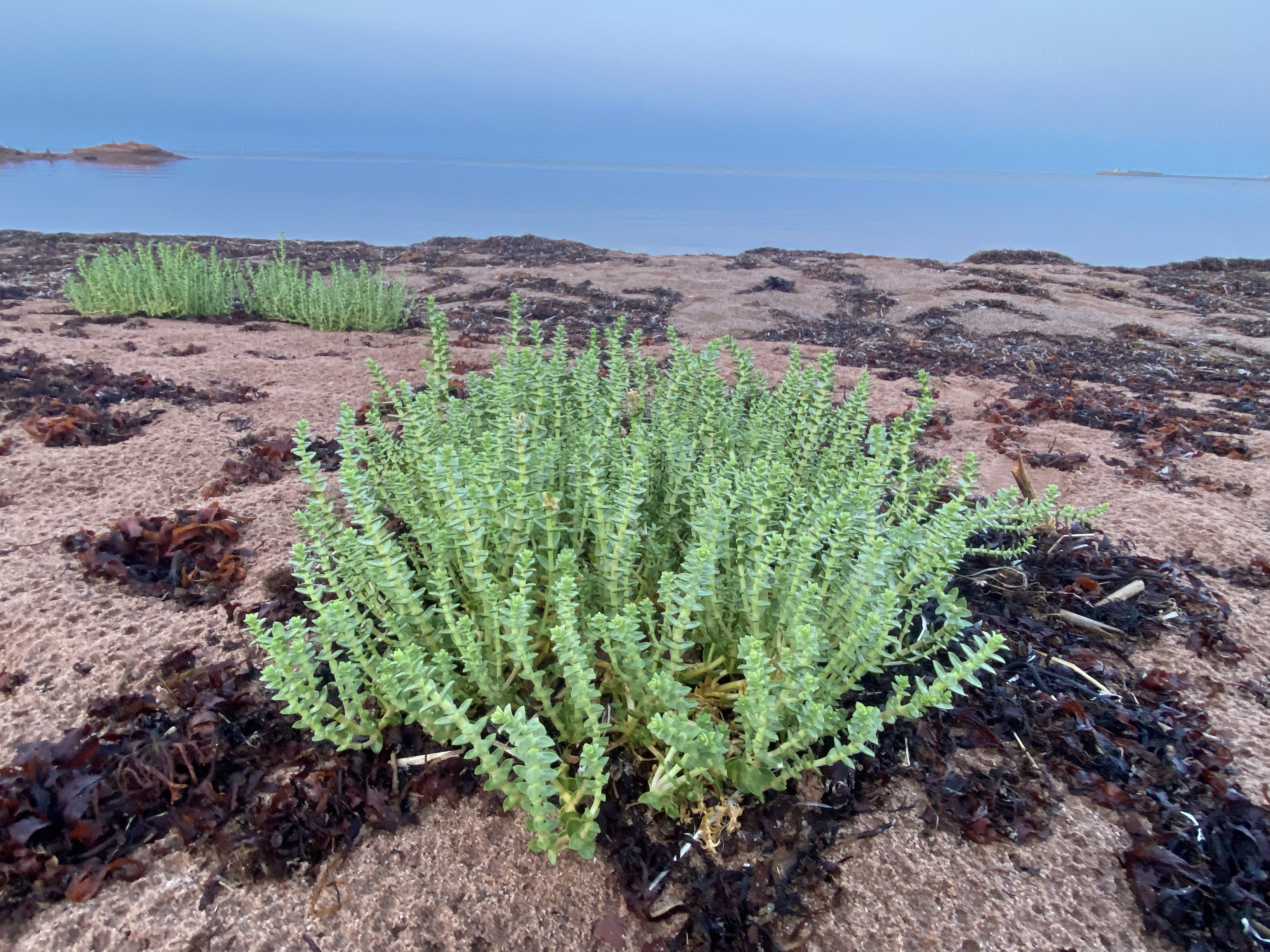
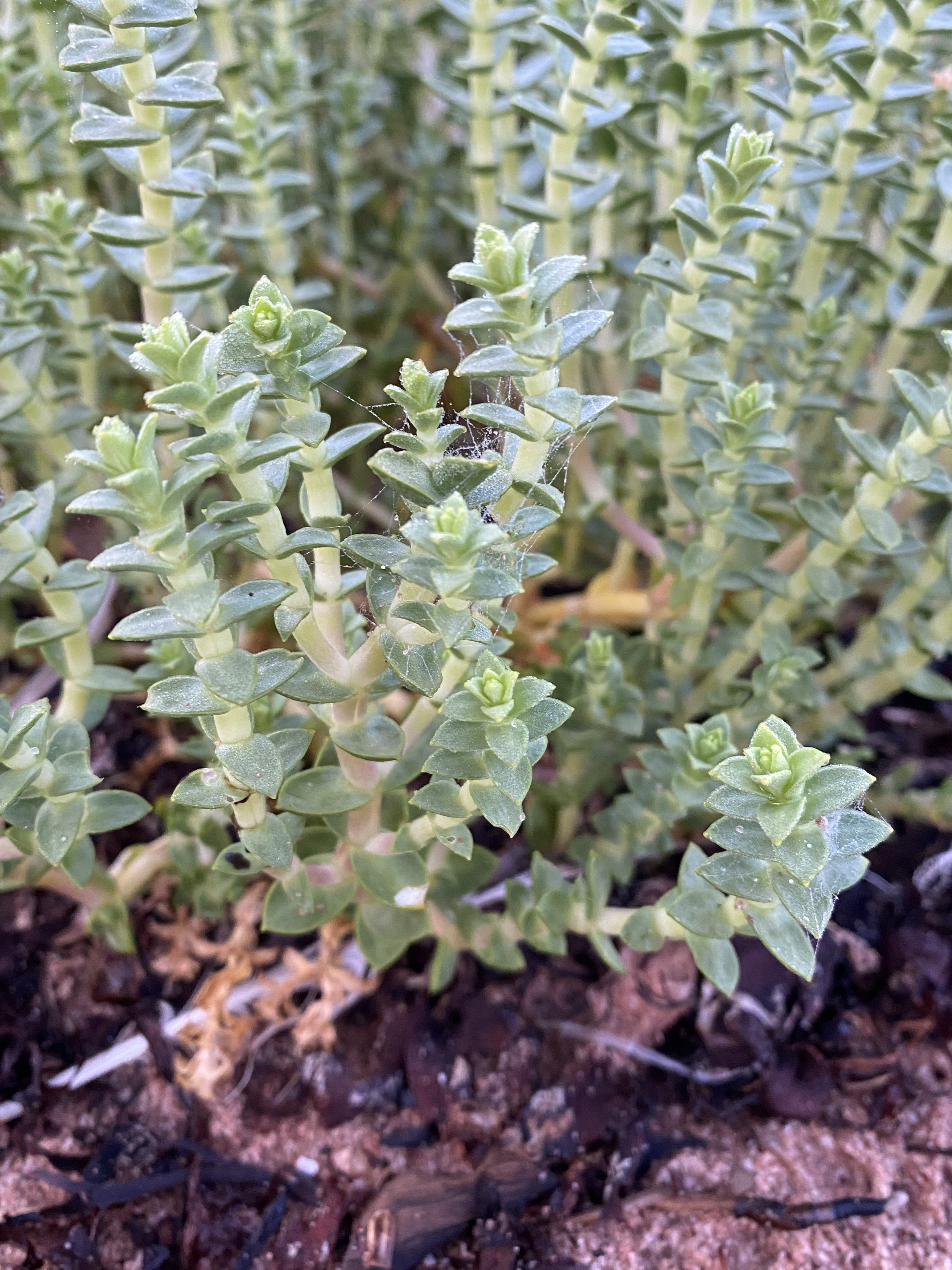

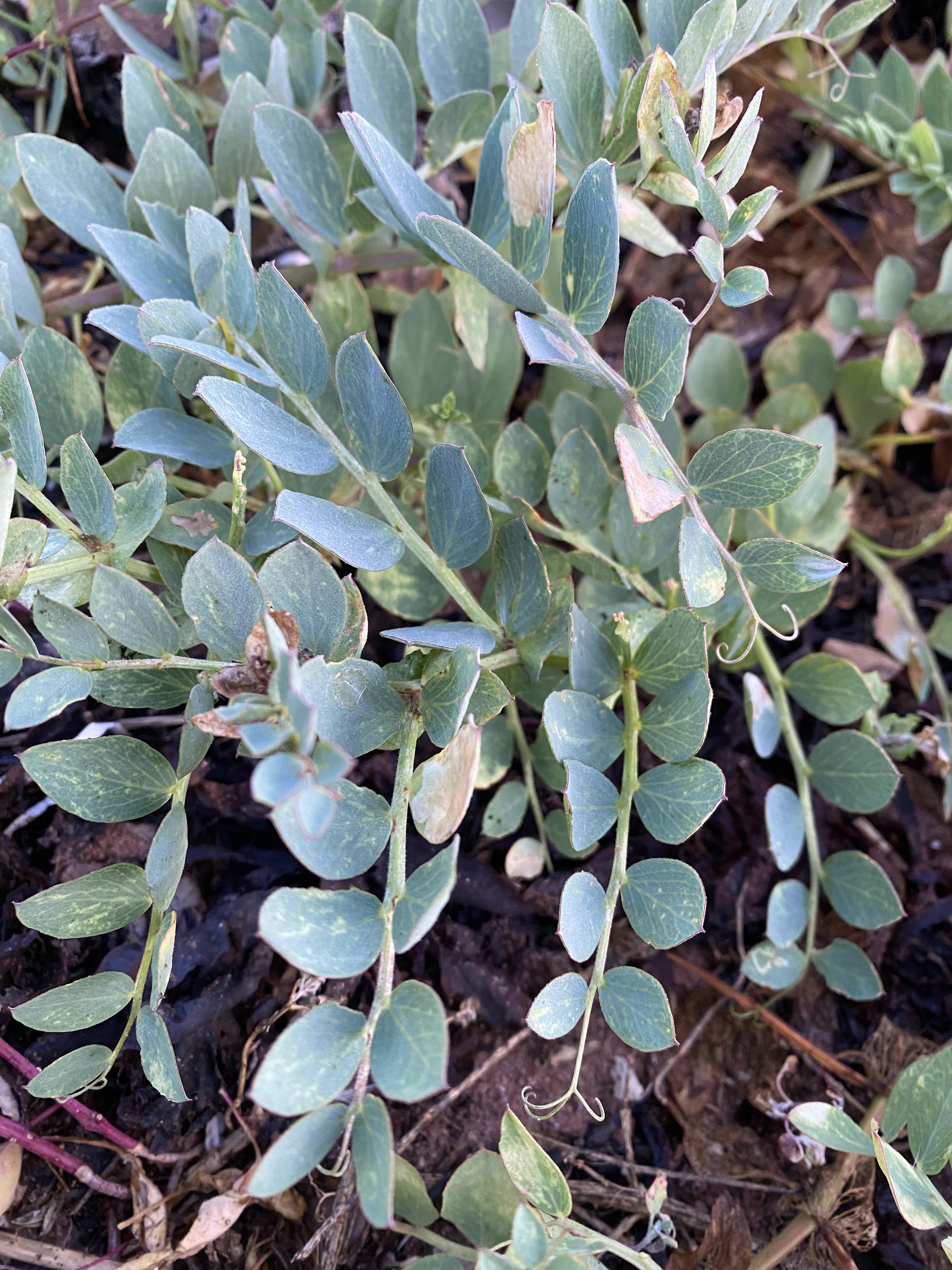
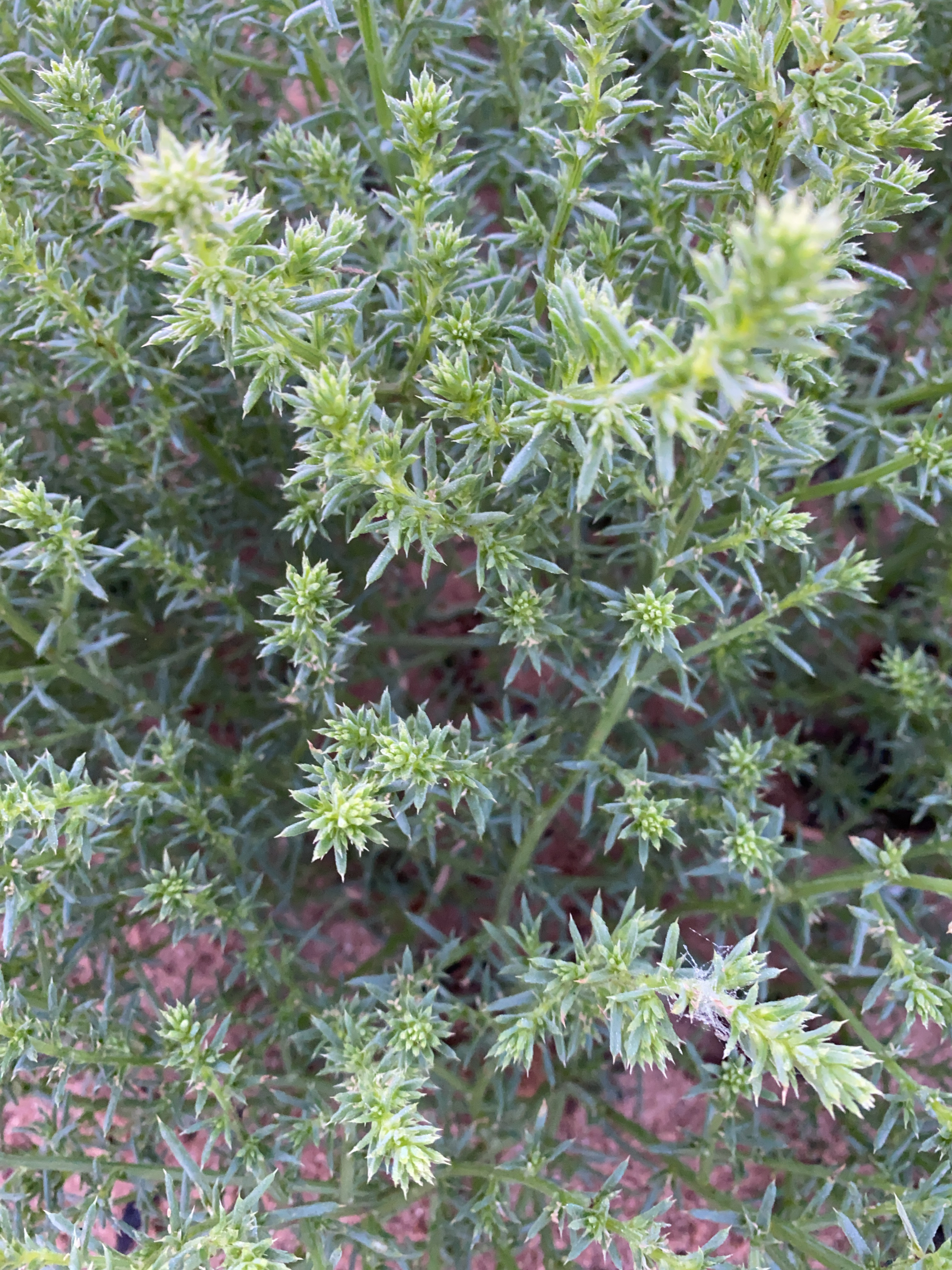
A focus on American Dune Grass, Leymus mollis.

American Dune Grass grows on sand and is a specialist on the early and establishing dunes helping the dunes and other plants to establish. The large rhizomes hold sand and the plant in place as the dunes move, erode and reconfigure.
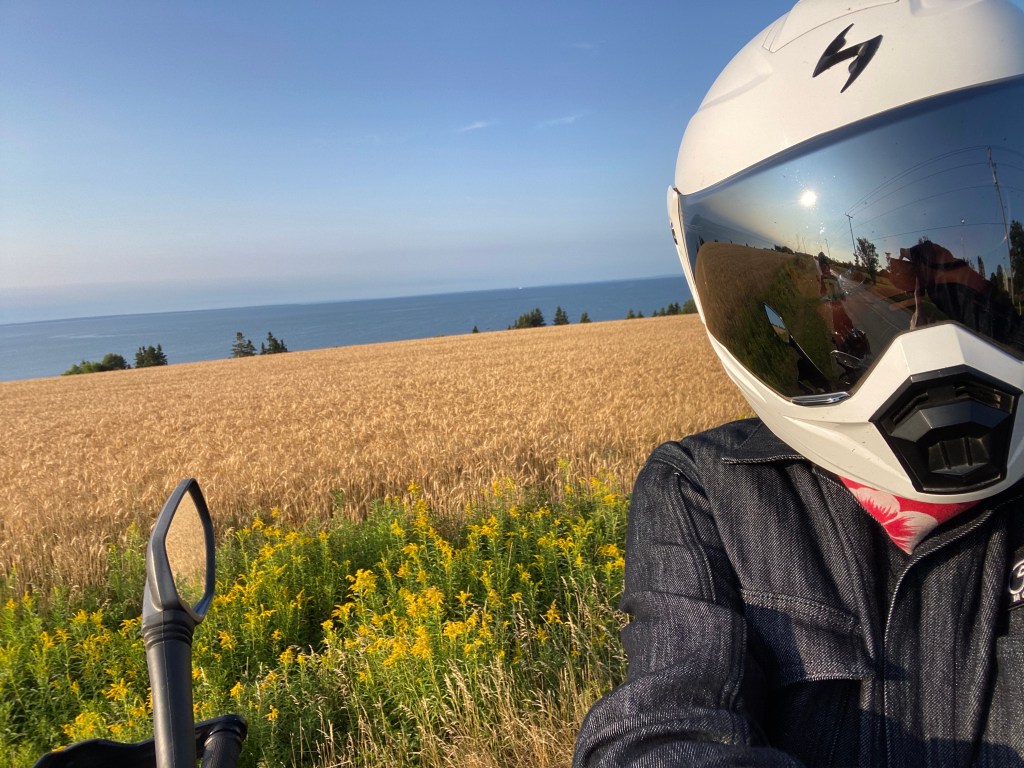
We also learned that PEI is known for their potatoes. About 1/3 of PEI is agricultural land. We were always passing fields of potatoes and other agricultural crops, in quilt-like patterns of colors and shapes, with the Gulf of St. Lawrence or the Northumberland Strait in the distance.
ON THE WAY BACK DOWN

Maine Lake Country
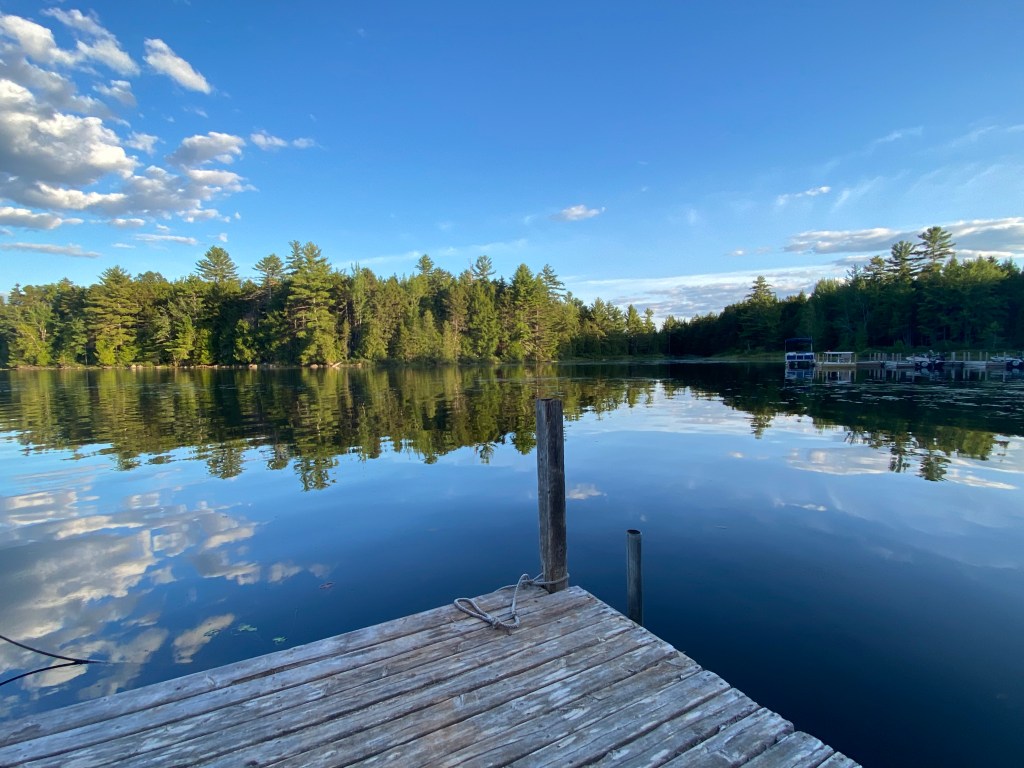
On the way back down from the island we stopped in Lakeville, Maine staying at a private campsite on Junior Lake. We were welcomed into this peacefulness by loon calls in to the early morning hours. Here it was like stepping back in time a couple of months. The plants that had long since stopped blooming at home were in full bloom up here.

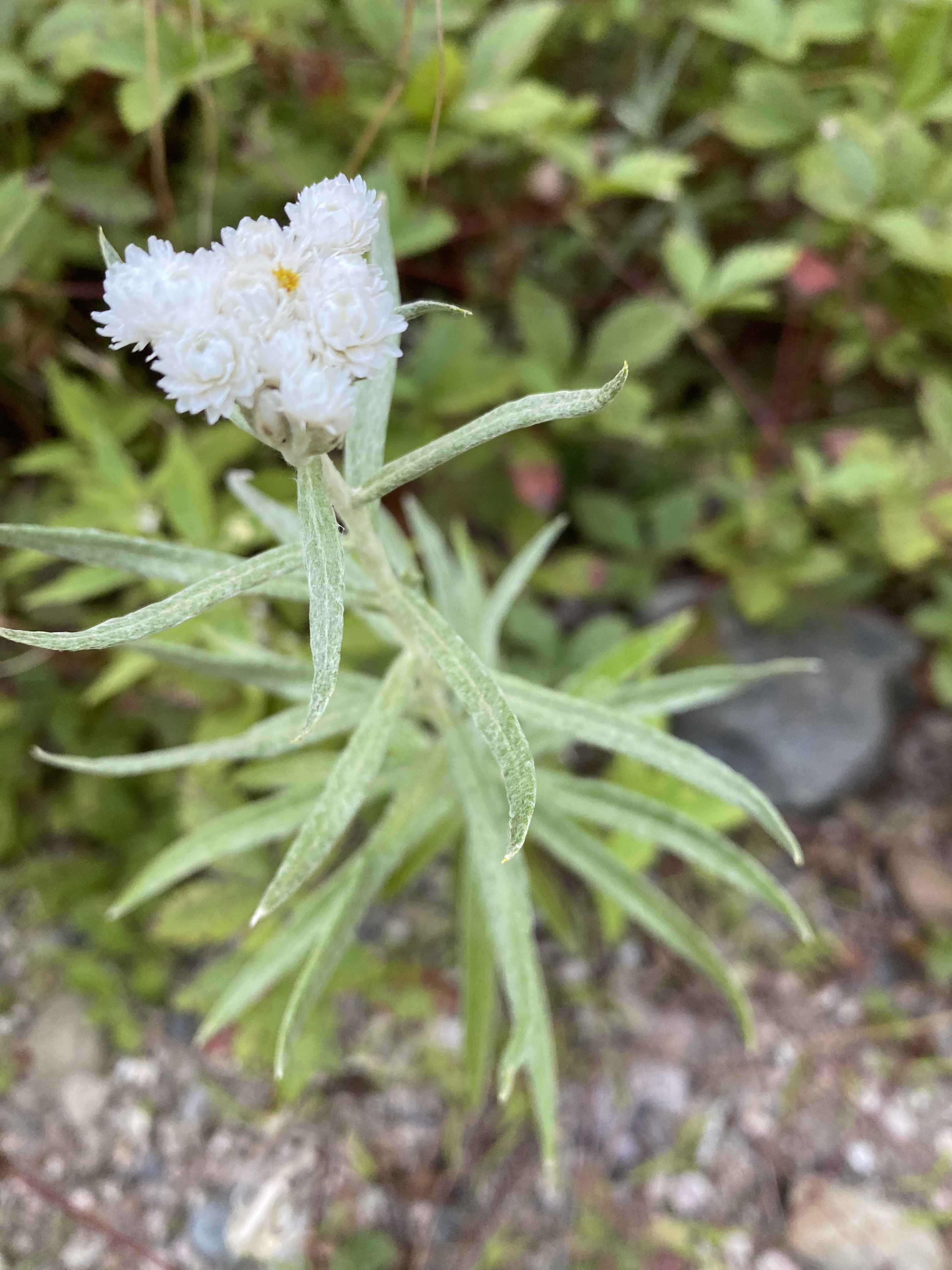


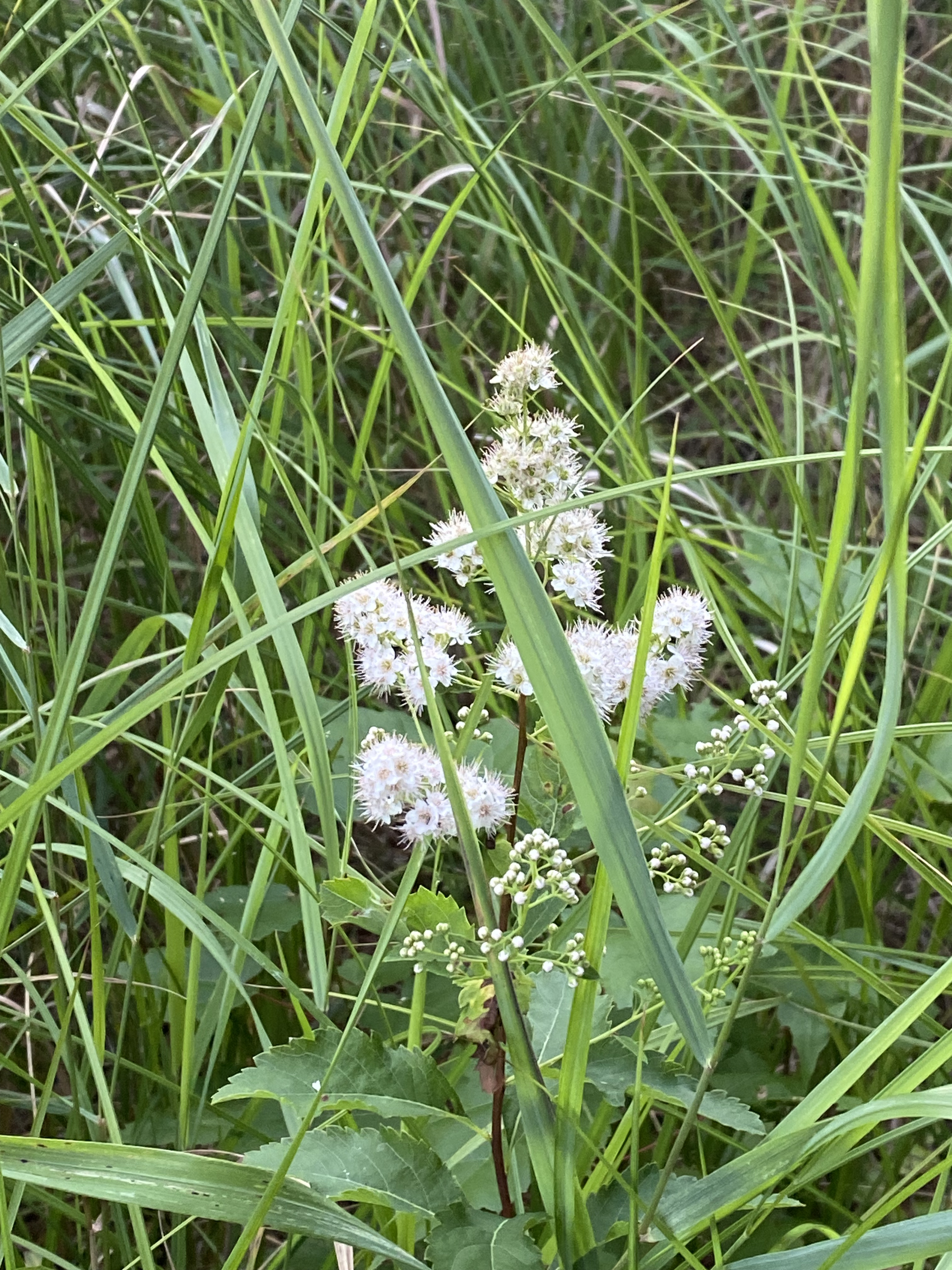
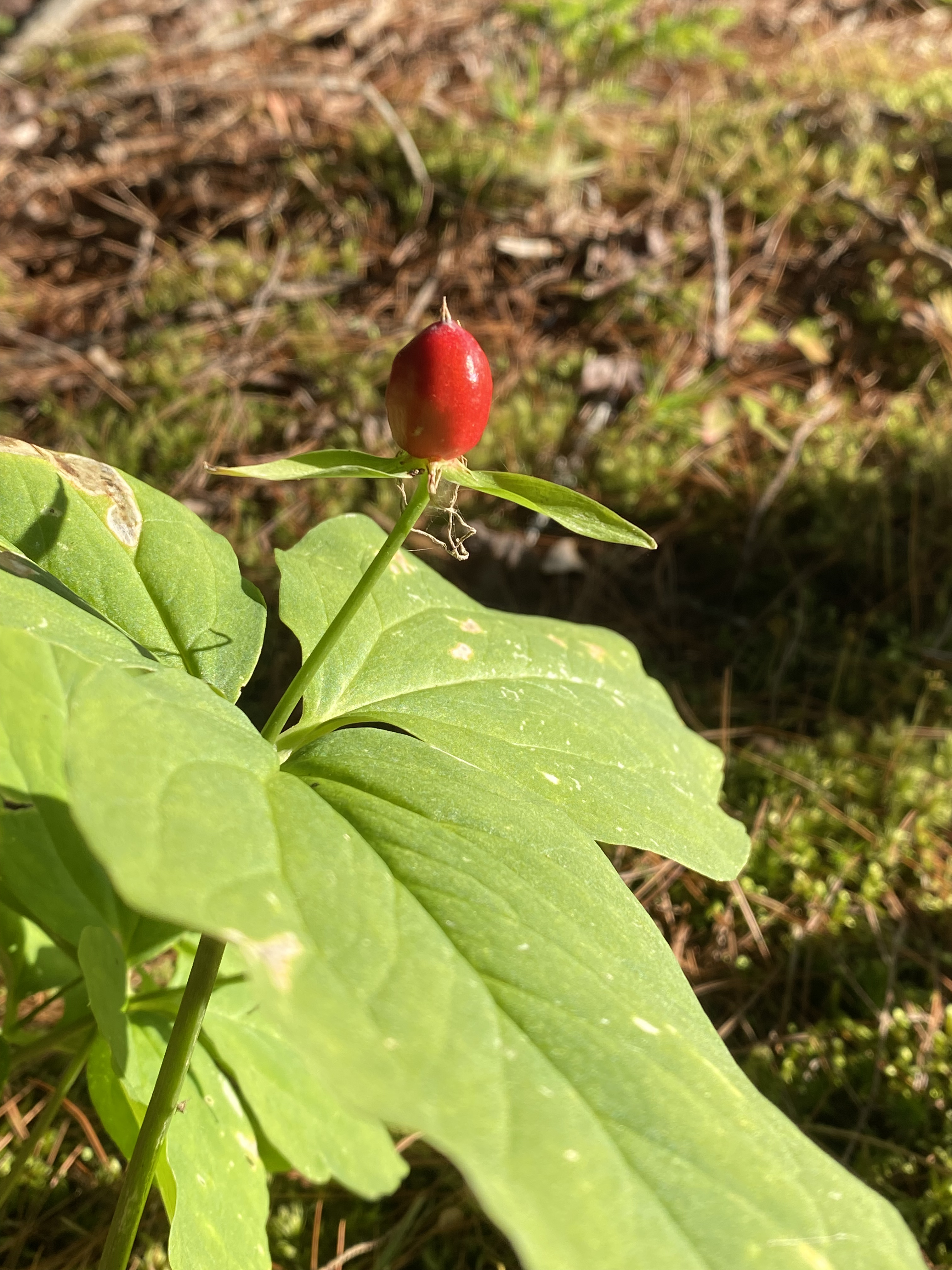

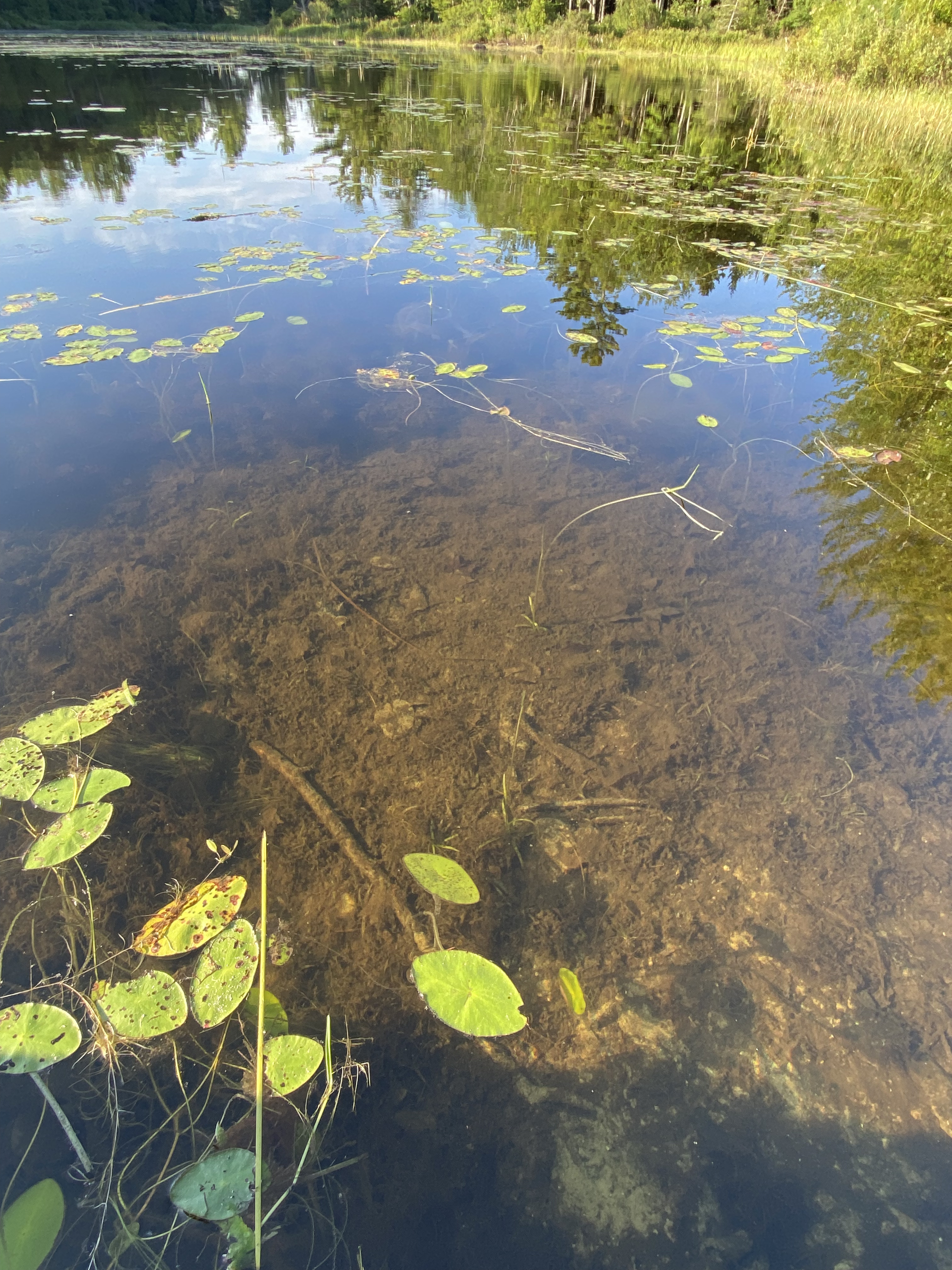
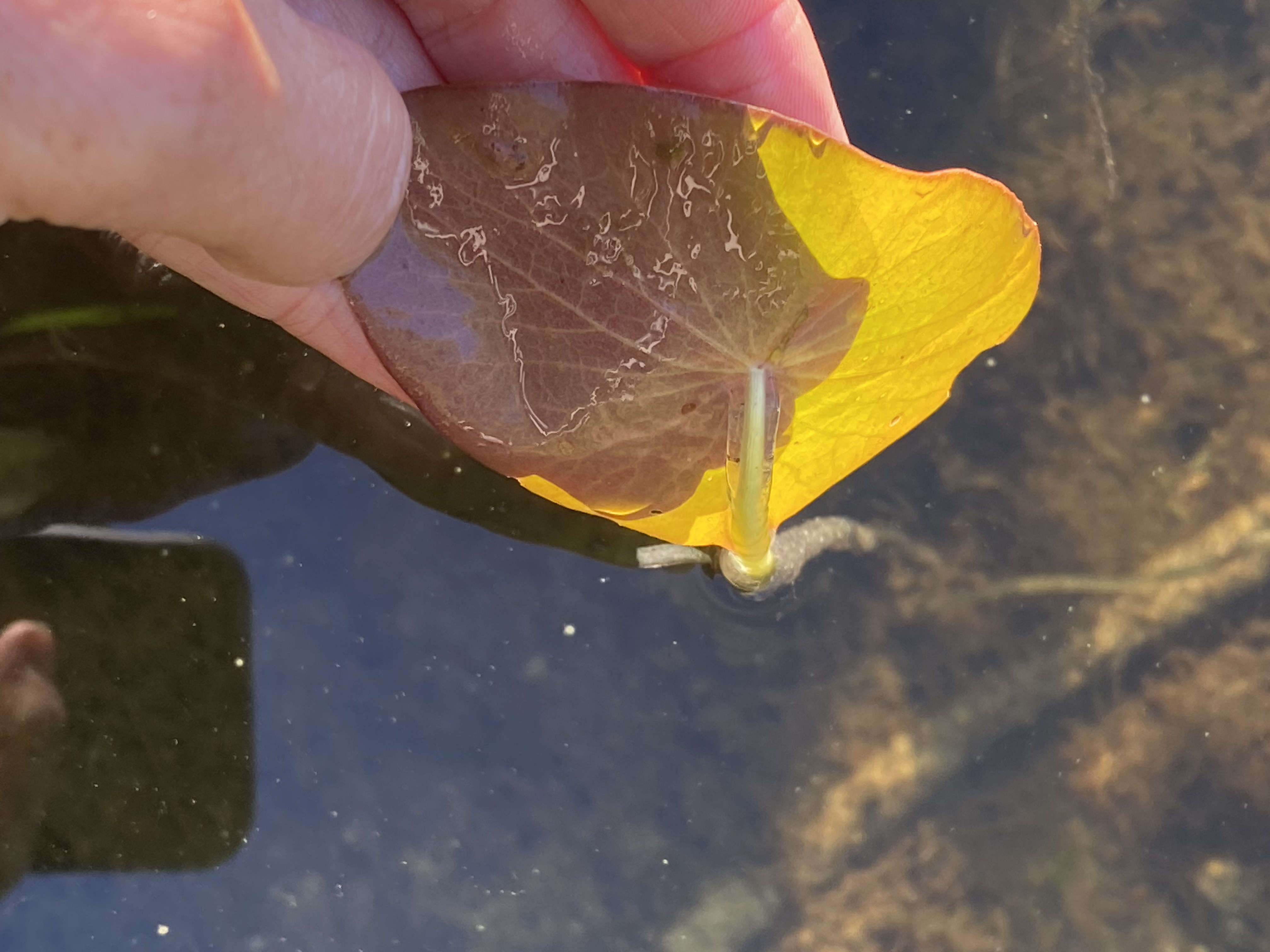
And in the lake, one of my favorites, snotbonnets! Otherwise known as watershield (Brasenia schreberi), these fresh water perennials are coated on the undersides of the leaves and all along the stems with a gelatinous substance that feels slimy but the slime does not come off on your hands. It’s like magic. It is said the slime is there to prevent herbivory not just to delight plant nerds.

A couple of birches
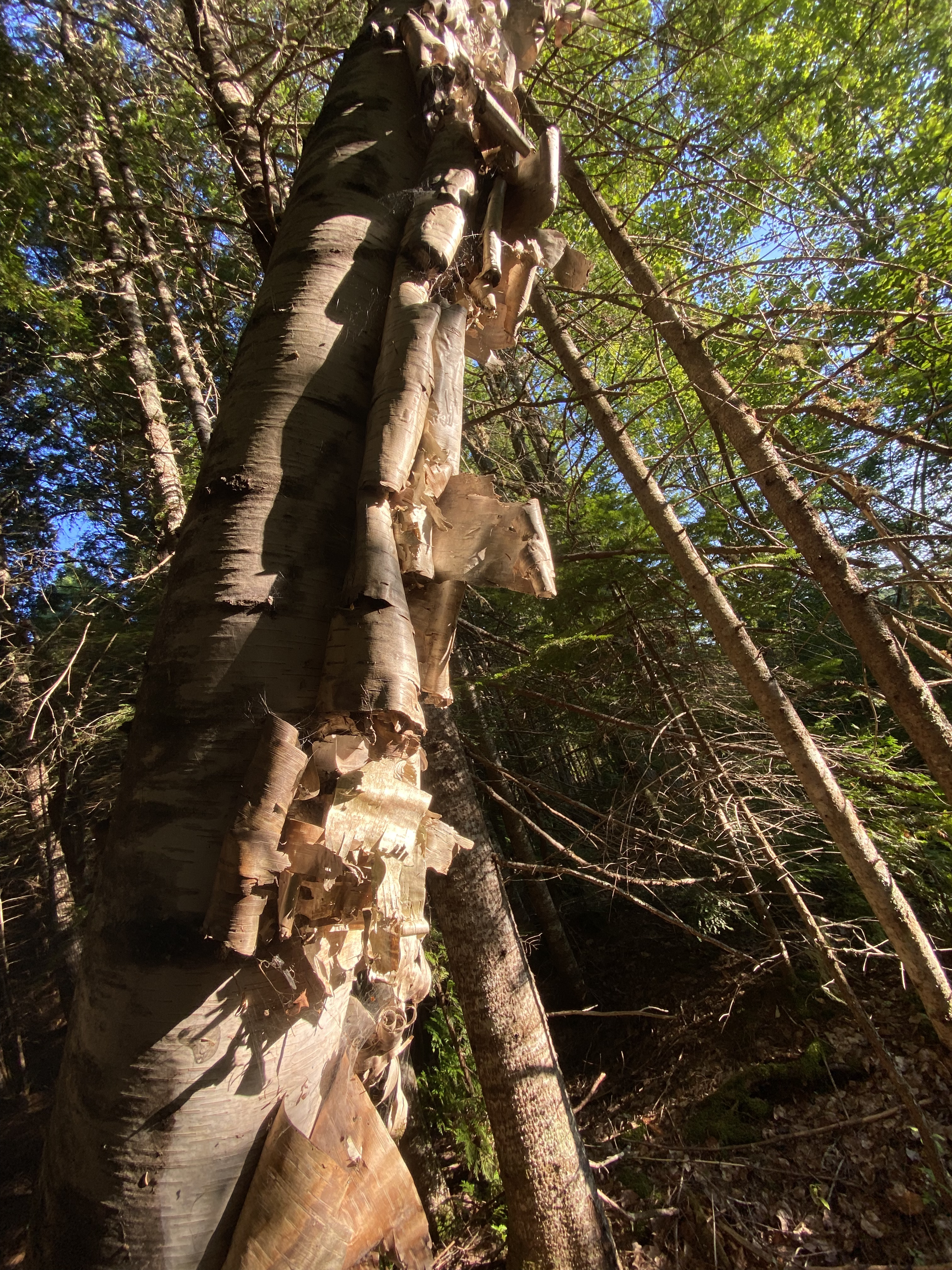
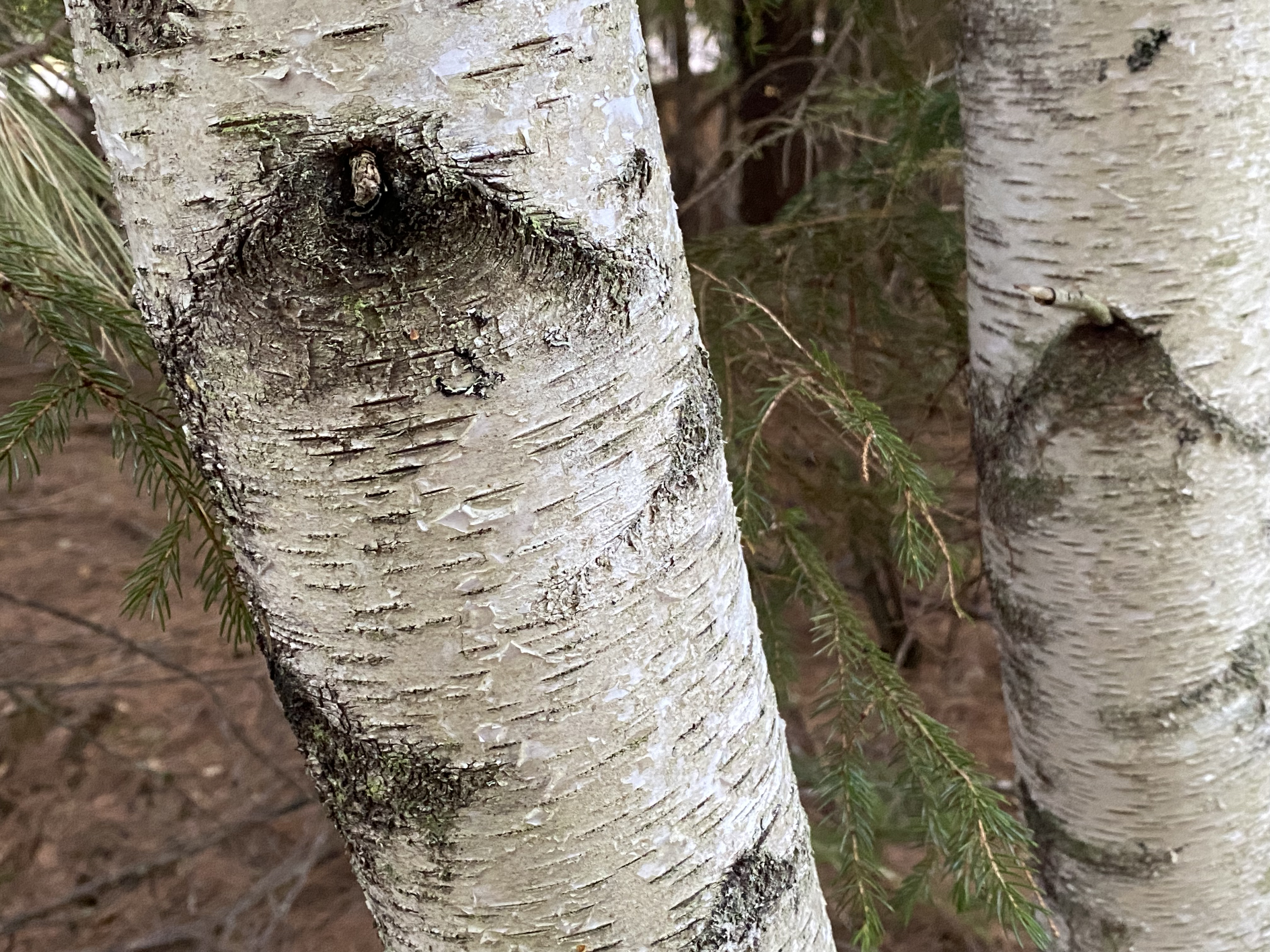
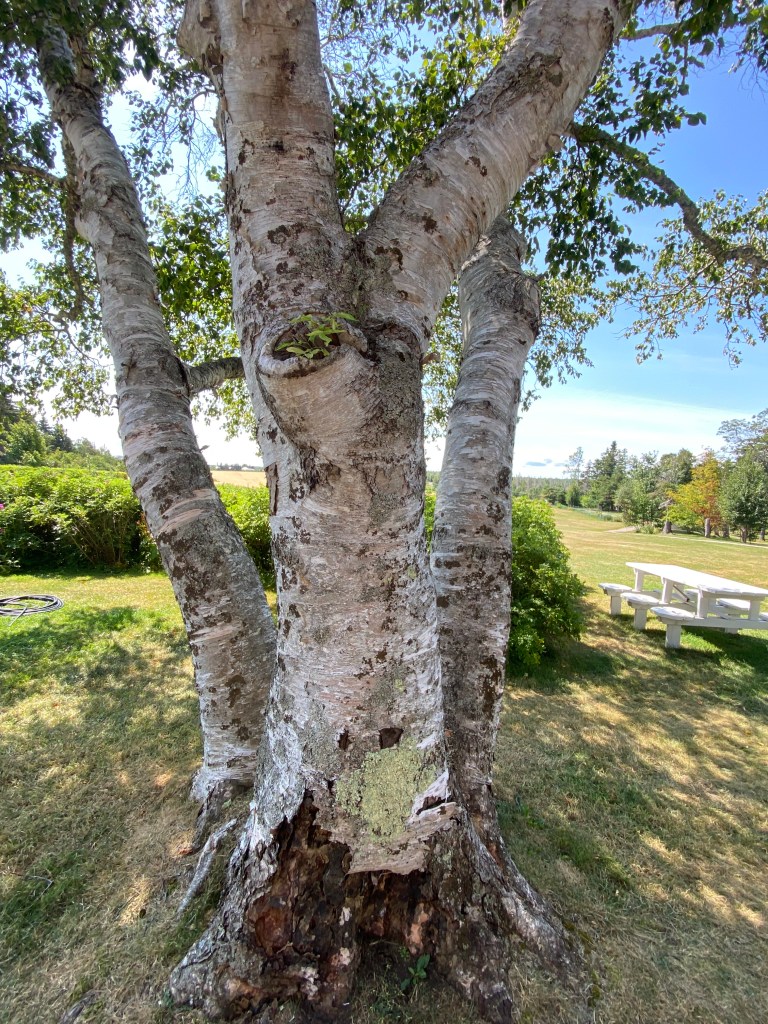
I found two very distinct birches along the trail. The first with its extraordinary exfoliating bark is paper birch, Betula papyrifera. This one was just stunning in the early morning sun, its bark peeling over itself in luxurious curls all the way up the trunk. The other, gray birch, Betula populifolia, has no such peeling bark but it looks like it’s raising its eyebrows at the flamboyance of its exfoliating neighbor.
Roxbury, NY

Our final stop was in the Catskill mountains. We stayed at this quirky motel with themed rooms and a swimming pool and a wooded trail to a waterfall. This is Stratton Falls. There is a well-established path down to the base of the falls and along an overlook at the top. Like moths drawn to a flame, I am going to check out a waterfall if I am near one. This 50′ cascade washed down the rocks to pools surrounded by wildflowers.

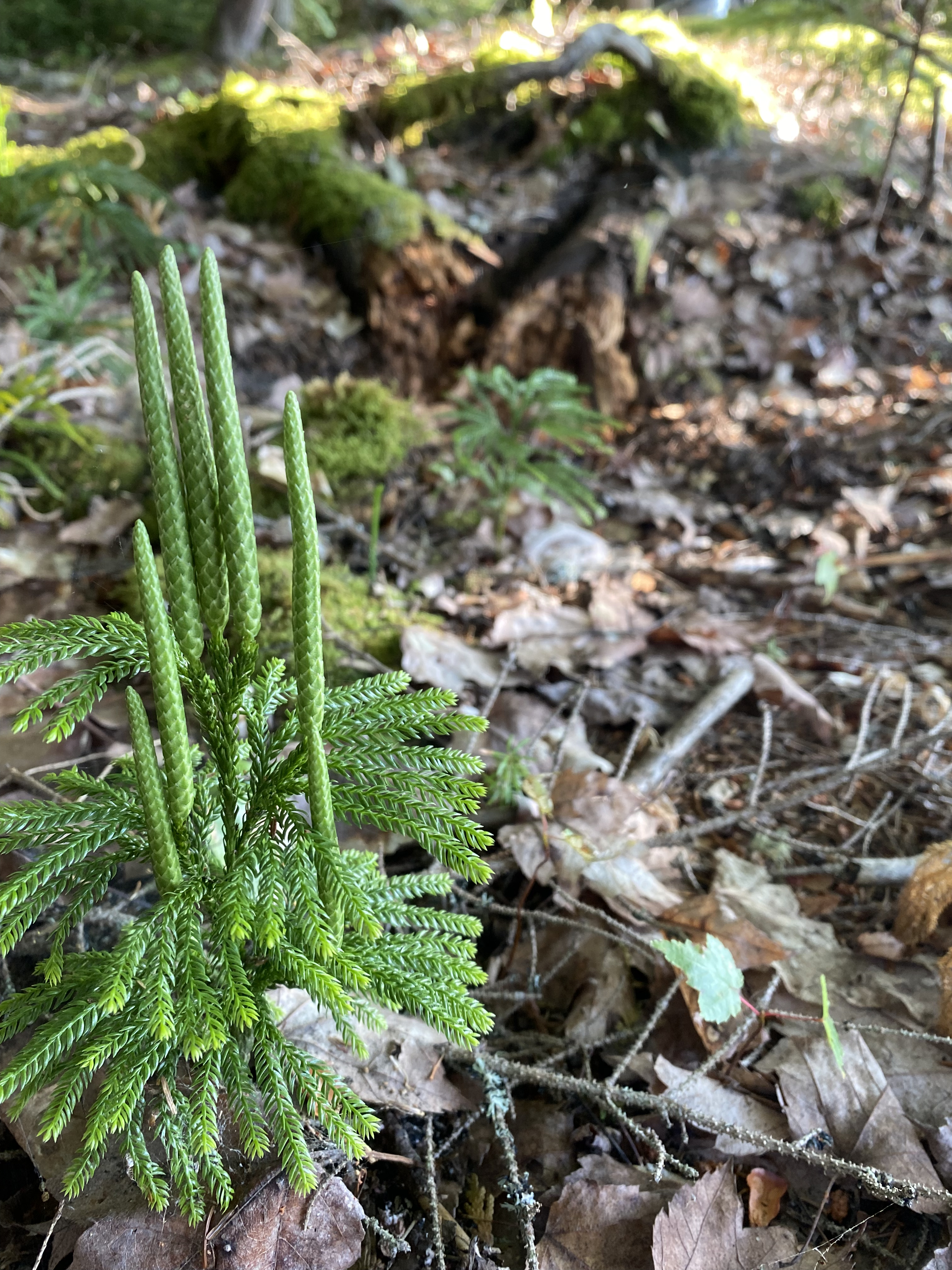
The rock walls along the gorge were covered in liverwort, Marchantia. Like the scouring rush of the Brooklin coast and the club mosses of the Junior Lake shore, this is another seedless vascular plant of the type that dominated the landscape 300 million years ago.

As I arrived to the base off the falls and the pools and creek bed I found a colorful display of summer flowers.
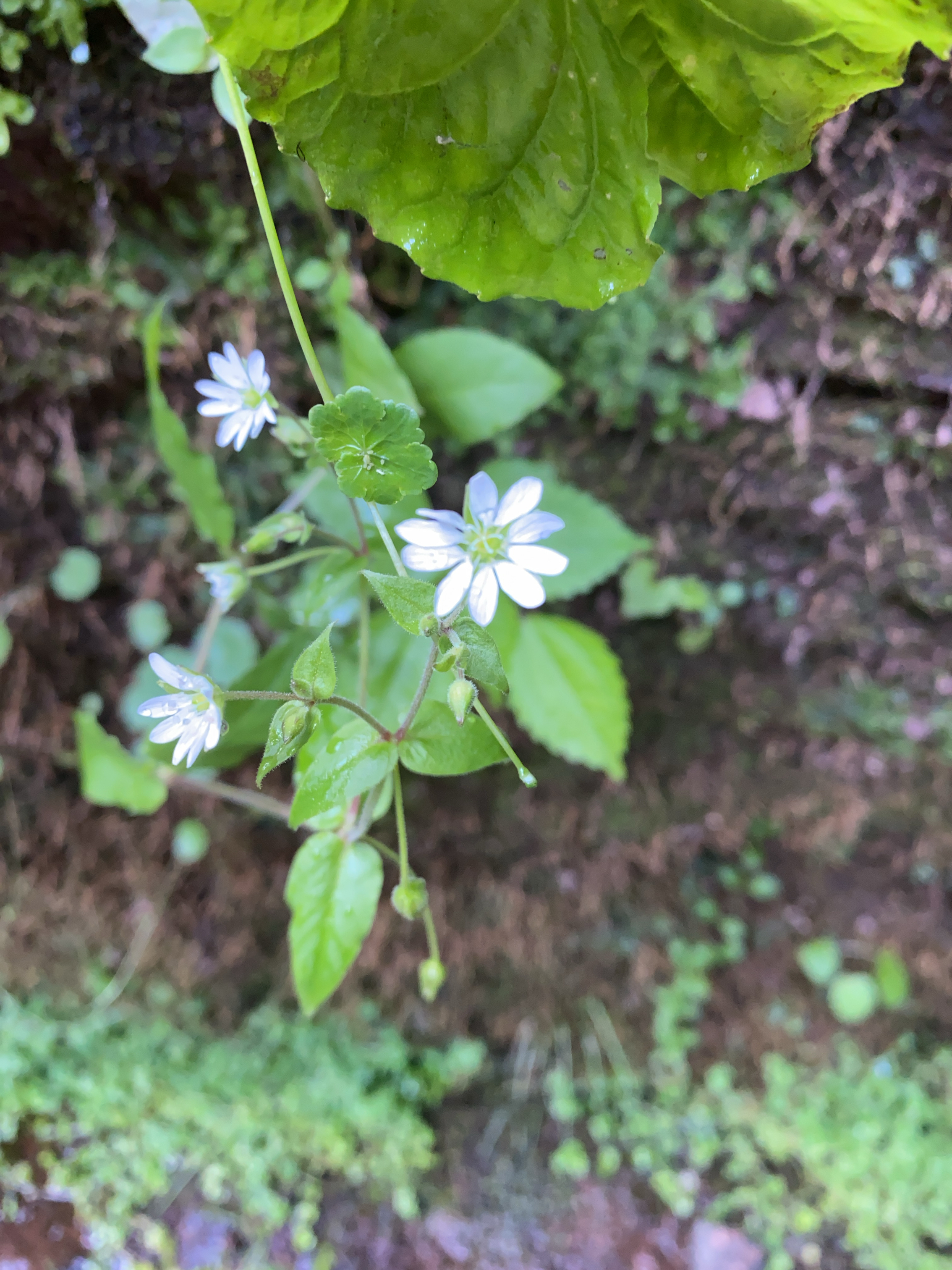
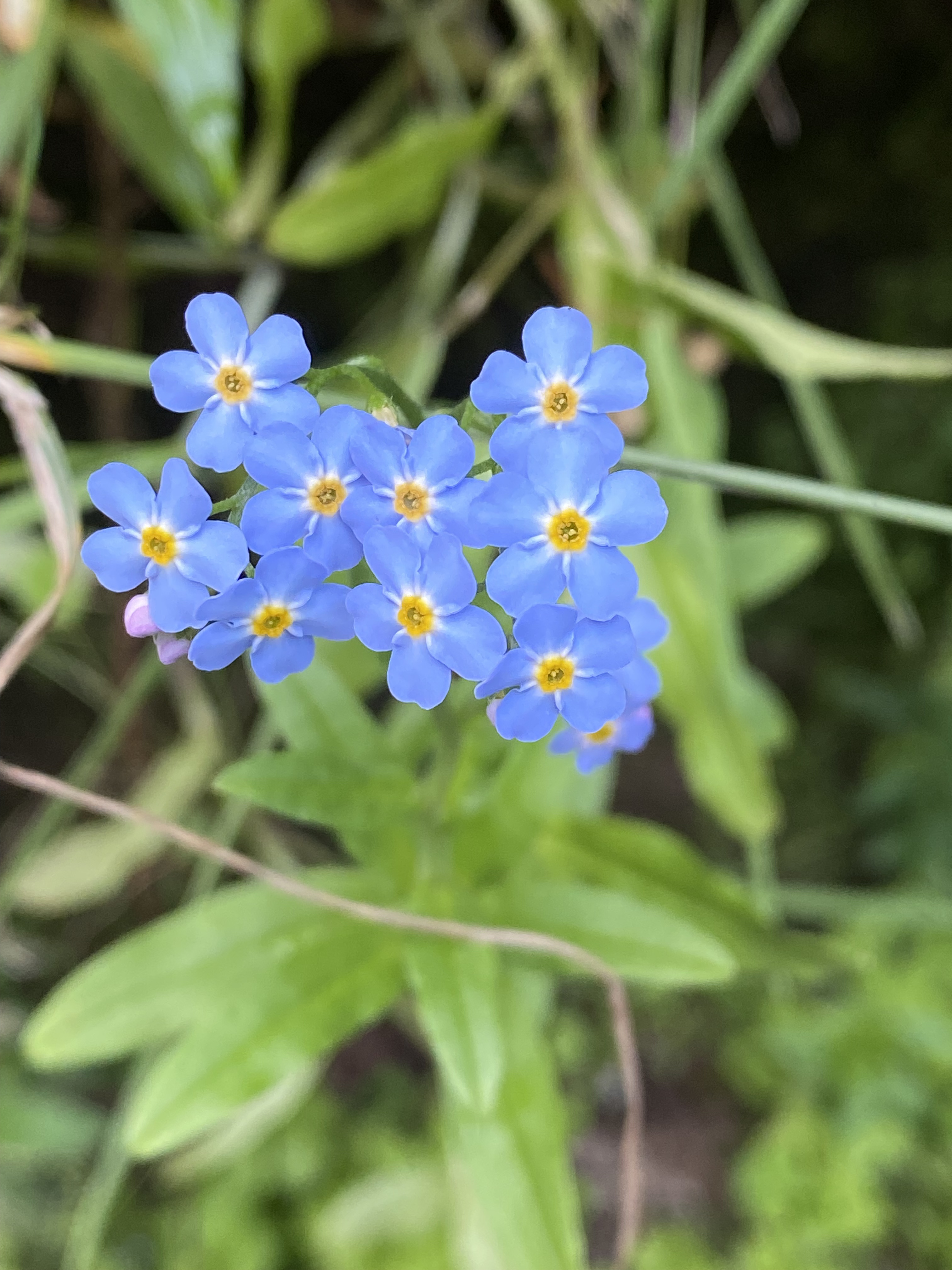
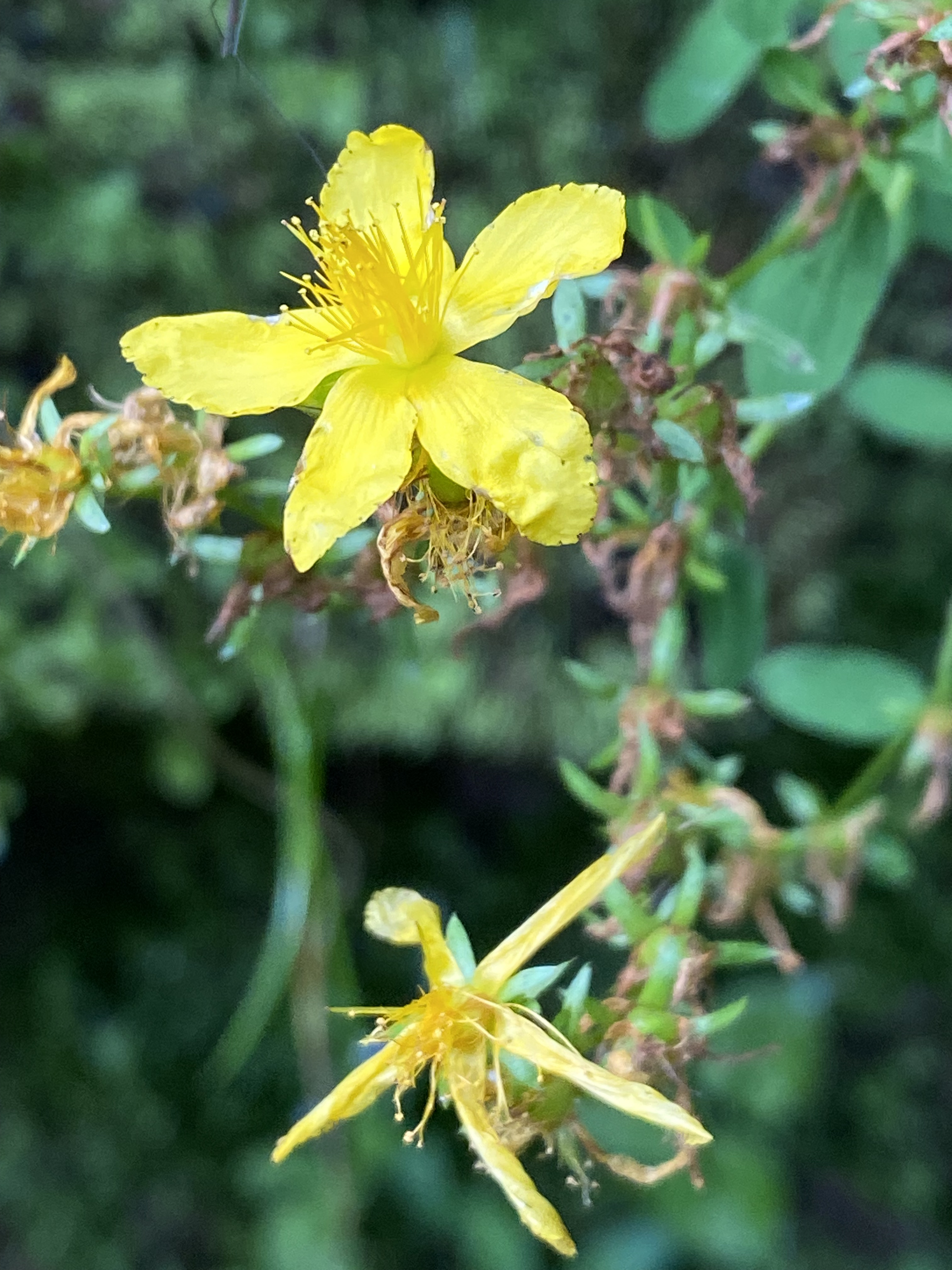
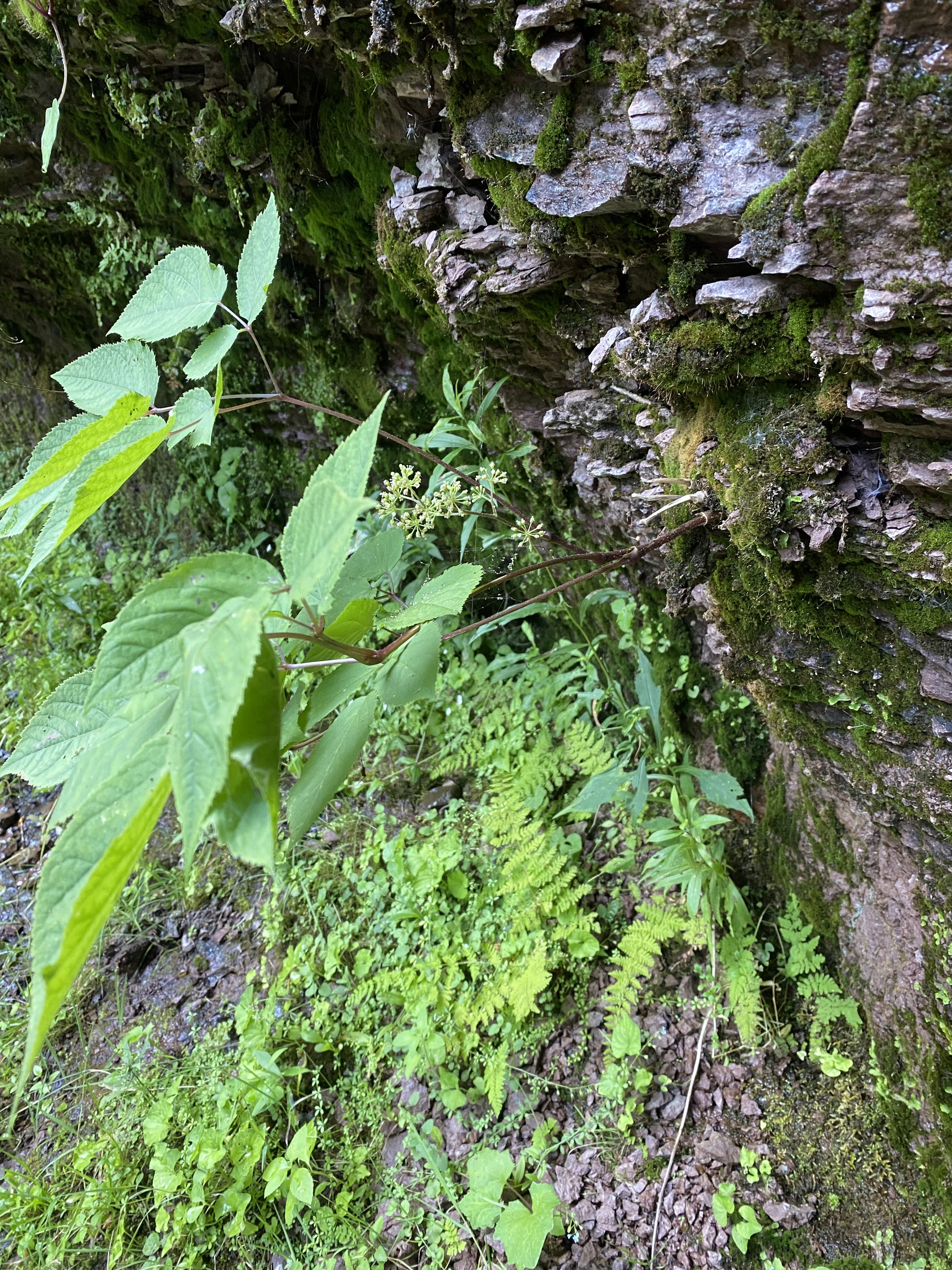
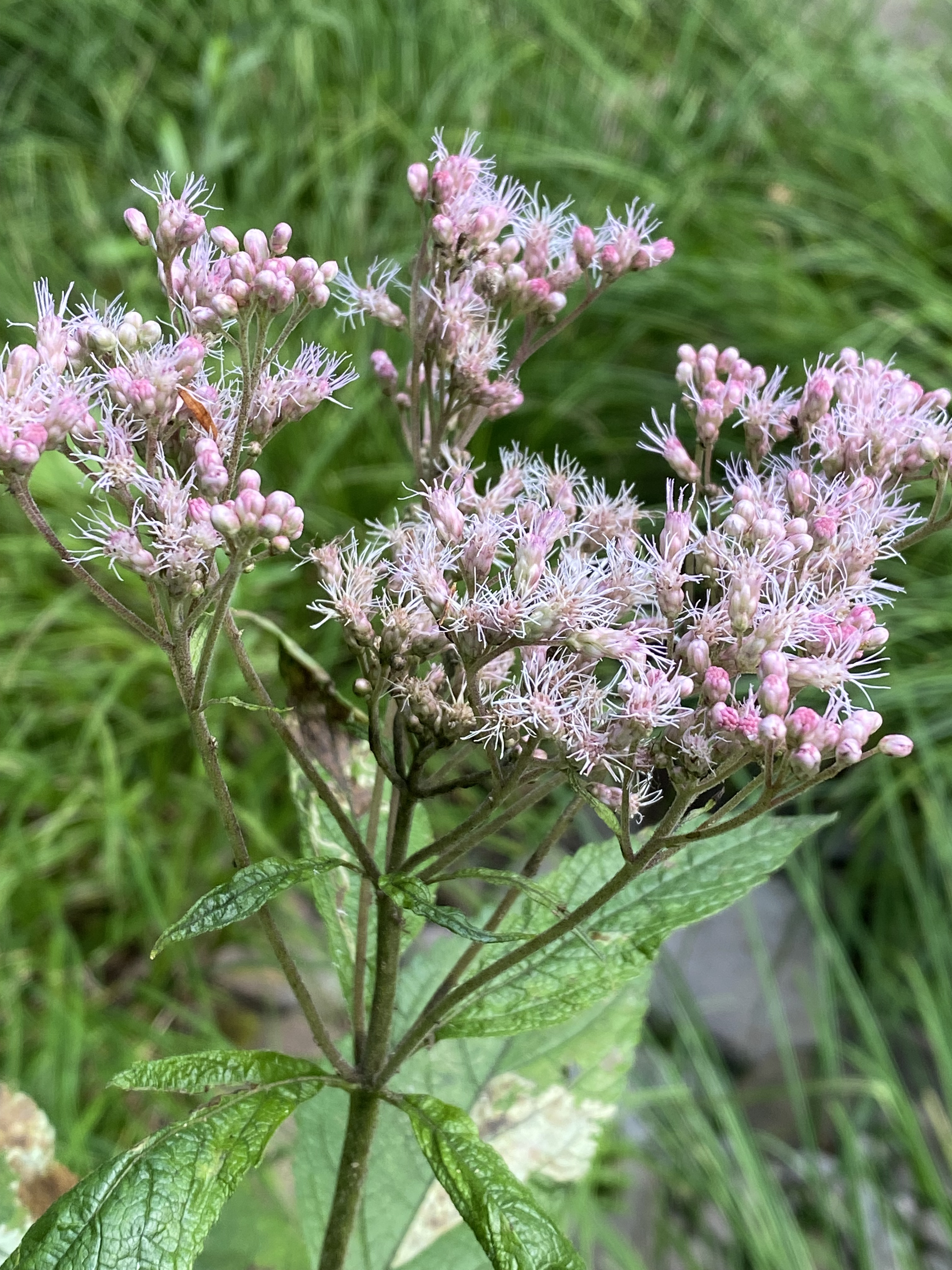
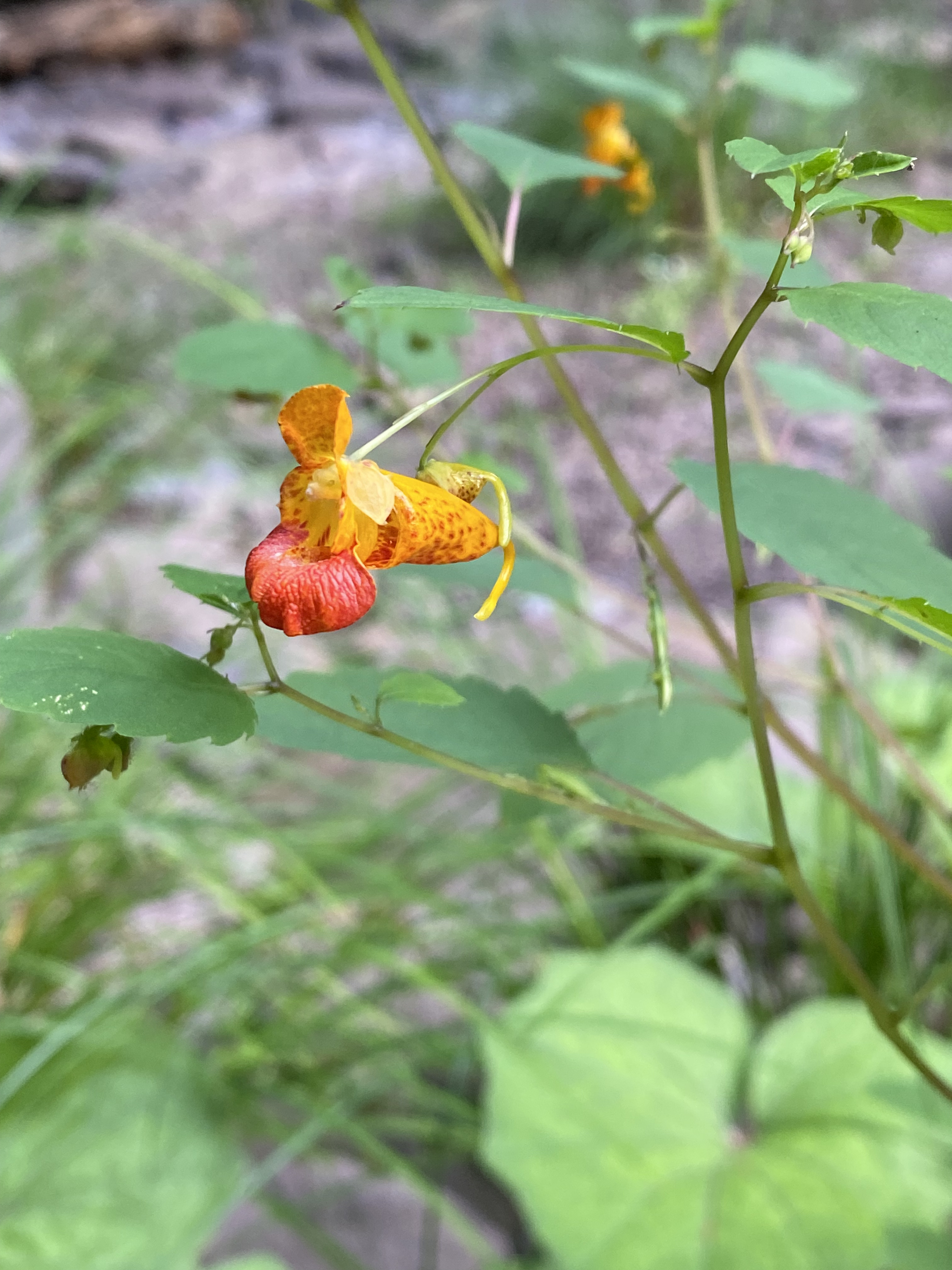


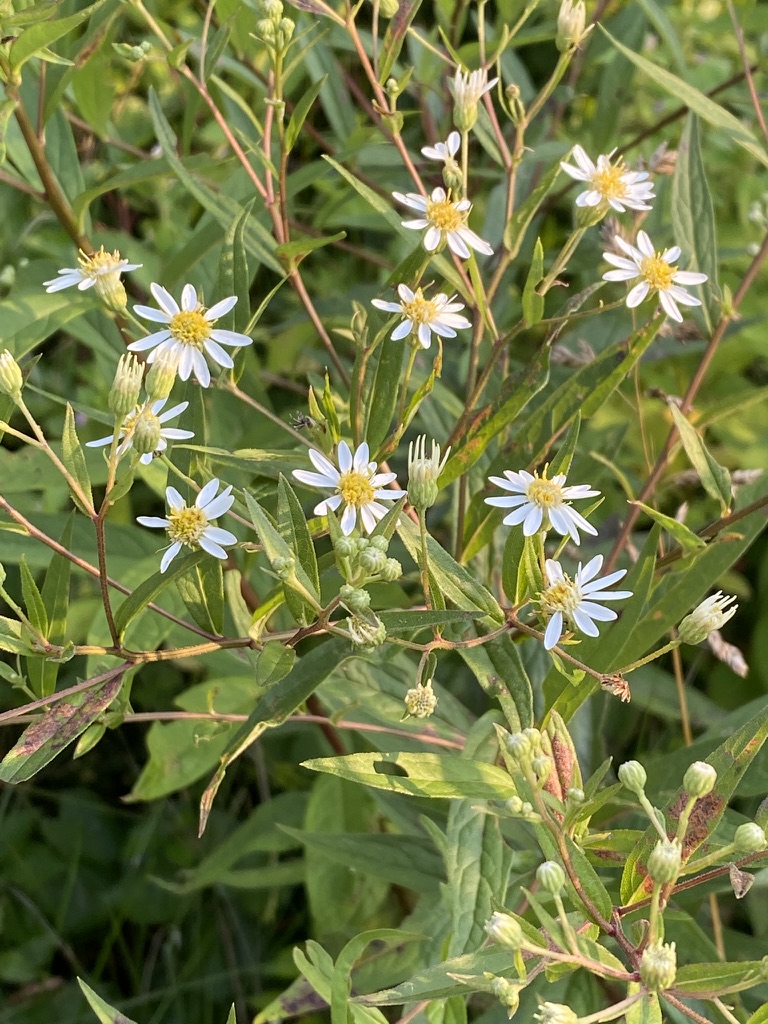
The new-to-me plant among this bunch is Swamp Aster, Symphyotrichum puniceum. Also called red-stemmed aster, this native perennial is at home in wet and swampy areas, like the base of this waterfall. It is distinguished from other asters, in part, by its clasping leaves. Here is it demonstrating its pollinator support by hosting the half-black bumblebee, Bombus vagans.
The alternate title for this post should be “what I am doing when you can’t find me at camp.” From mountains to coastlines, and waterfalls to lakesides, even though I did not plan any specific botanizing trips along the way, the trip was filled with interesting plants, vibrant plant communities and familiar plants in new places. It’s one of the things I love the most about being a plant nerd, I can find a way to occupy myself anywhere, because plants are everywhere.

 HORT travels
i would love to hear about the motorcycle part of the trip: machine, gear, route, equipment, etc., too.